Agile estimating and planning
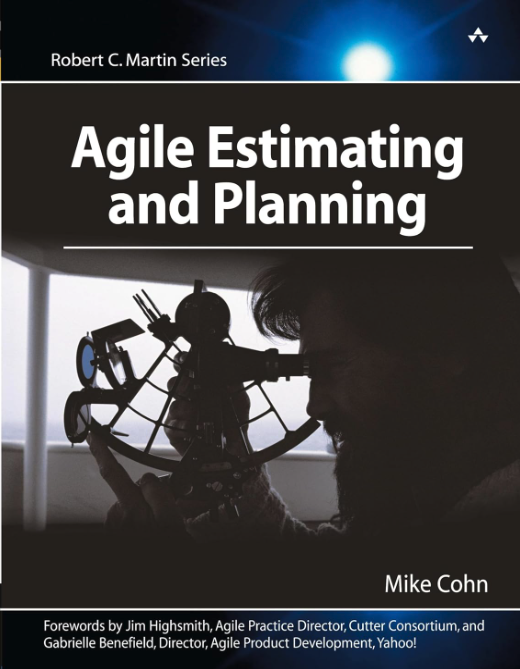
Mike Cohn —
Category: Empresas Ágiles & Management Moderno
Essential resource for planning and estimation in agile environments.
What is it about exactly? This book is one of the most practical references on how to effectively plan agile projects. Mike Cohn explains how to estimate, prioritize, and plan in agile environments, where uncertainty and change are the norm. His proposal is that agile planning does not mean a lack of control, but rather an iterative and adaptive approach that allows for continuous and predictable value delivery. Key Ideas: Estimating in agile is not about predicting the exact future, but rather providing ranges and adjusting with feedback. Planning should be iterative and flexible, not rigid or static. User stories are the basic unit for estimating and planning. Value for the customer guides prioritization, not just technical complexity. What you will learn from the book: How to create agile plans for the short and long term. Estimation techniques (planning poker, story points, team velocity). Prioritization strategies based on business value. How to balance commitments with flexibility in dynamic projects. Tools to communicate realistic expectations to stakeholders. What concepts can we apply to the iGaming industry: Product Planning: prioritize casino features, betting, and promotions based on their impact on retention and conversion. Agile Estimation: calculate effort for integrations with suppliers, new verticals, or CRM features. Rapid Iterations: deliver continuous improvements (UX, payments, tournaments) without waiting for major releases. Value Prioritization: invest first in what brings the most impact to players and the business. Stakeholder Management: clearly communicate timelines and adjustments in technological or regulatory projects. Practical Toolkit: Agile estimation techniques (story points, velocity tracking). Prioritization methods like MoSCoW and WSJF. Templates for agile release plans and roadmaps. Examples of agile planning in various business contexts. Errors the book helps you avoid: Confusing agile with a lack of planning. Estimating projects with illusory precision and then failing to deliver. Prioritizations based on internal politics instead of real value. Not adjusting plans in response to feedback and environmental changes. Summary Agile Estimating and Planning is a practical manual for applying realistic and effective planning in agile environments. Mike Cohn demonstrates that agility does not mean improvisation, but rather planning with flexibility, focusing on value and continuous learning. In iGaming, this approach allows for prioritizing product launches, managing technological integrations, and responding quickly to regulatory changes, ensuring frequent and high-impact deliveries for players.
Related videos
- Learn agile estimation in 10 minutes
- Agile teams, agile talk: lessons for workplace communication | Joelle Loew | TEDx
- Scrum: How to do twice as much in half the time | Jeff Sutherland | TEDx
- The importance of intercultural and agile leadership | Yusuf Altınışık | TEDx
- Agile, Culture, and How to Make It Work for Us | Zaheer Ali | TEDx