Educated
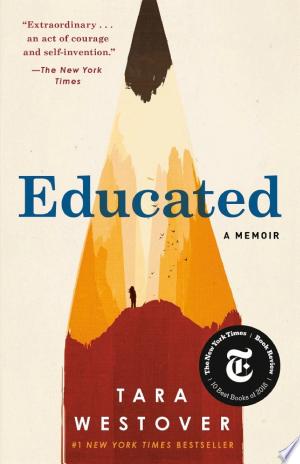
Tara Westover —
Category: Inspiración & Mentalidad Ejecutiva
Educated is the memoir of Tara Westover, born into a fundamentalist Mormon family in rural Idaho, raised without formal education, medical care, and working from a young age in her father's junkyard. Amidst accidents, silences, and tangled loyalties, Tara discovers that studying can be a means of escape—and also a painful rupture. Through sheer self-education, she gains admission to Brigham Young University, later to Cambridge and Harvard, and confronts the intimate cost of building her own life.
What is it about exactly? The book follows three movements: Childhood and closed world: a home governed by the father's preparationism (fear of the "end times"), the mother's home remedies (herbs, midwifery), and distrust of the State, schools, and hospitals. The accidents in the scrapyard, treated at home, mark both the body and the narrative. The crack: Tara begins to educate herself for the ACT; getting to university opens a new language (history, philosophy, music). She learns about concepts she had never heard of (the Holocaust, for example) and discovers that memory, truth, and loyalty can clash. The theme of abuse by a brother arises, along with the conflict of naming it. Reconstruction and identity: Scholarships and mentors take her to Cambridge (Gates Scholar) and to a doctorate. Study does not "resolve" the past: it provides tools to tell it and set boundaries. The tension with the family—especially when she denounces the violence—becomes central: choosing one's own voice comes at a price. Central themes and lessons Education as emancipation: not just accumulating knowledge: learning to think and doubt opens the possibility of an autonomous life. Loyalty vs. identity: growing up may require betraying expectations in order not to betray oneself. The book does not romanticize: it shows the pain of both options. Memory, truth, and narrative: memory is selective and contested; writing is about organizing lived experiences without denying their gaps. Westover introduces the idea of versions of the same event. Body and vulnerability: accidents, scars, illness treated at home: the body as a territory of risk and learning. Violence and boundaries: naming abuse is breaking the silence pact. Setting boundaries redefines relationships and also solitude. The price of social ascent: changing class/value systems requires constant translation; it is not just academic merit, it is emotional literacy. What you will learn from “Educated” To recognize education as a process that gives you words to think—and therefore to decide. To identify painful loyalties: when to care for your own and when to protect yourself from them. To differentiate facts, memory, and narrative without denying complexity. To value self-directed discipline: how to build study habits when the environment does not provide them. To set healthy boundaries and understand that growth may involve loss. Why it remains an essential book Because it shows that learning is not about adorning oneself with diplomas but about gaining agency</strong