I am Malala: The girl who stood up for education and was shot by the Taliban
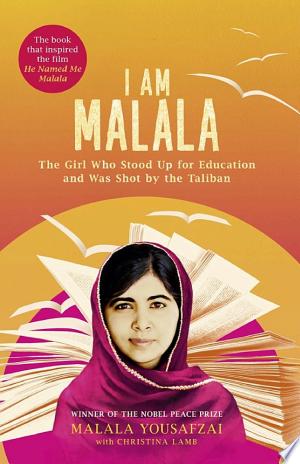
Malala Yousafzai —
Category: Inspiración & Mentalidad Ejecutiva
I Am Malala: The Girl Who Stood Up for Education and Was Shot by the Taliban is the memoir of Malala Yousafzai (co-written with Christina Lamb) about how a teenager from the Swat Valley (Pakistan) went from writing an anonymous blog to becoming the most influential global advocate for girls' education of her generation. The book combines family chronicle, historical context, and personal testimony of the attack that nearly took her life in 2012, and the movement that she helped to unleash afterward.
What is it about exactly? Childhood and roots: Malala grows up in a Pashtun family guided by the ethics of hard work and word. Her father, Ziauddin Yousafzai, a teacher and activist, founds a school and shapes a home where education is the center of life. From student to activist: with the arrival of the Taliban in Swat, restrictions are imposed on public life and, especially, on the education of girls. Malala begins to write—under a pseudonym—a diary for BBC Urdu, recounting what it is like to learn when learning becomes dangerous. The attack and recovery: on October 9, 2012, armed men stop the school bus and shoot her. The work narrates the shock, the surgeries, and the recovery in the United Kingdom, along with the birth of an international vocation. From the classroom to the global stage: after her recovery, Malala promotes the Malala Fund, speaks at international forums, and becomes the youngest Nobel Peace Prize laureate (2014), symbolizing a cause that already existed but needed a face and a story to move the world. Central themes and lessons Education as a right and as power: going to school is not a privilege but the foundation of personal and collective freedom. The book shows how education reorders families, economies, and destinies. Civil courage: bravery is not the absence of fear, but deciding to speak when silence seems safer. The voice of a teenager becomes a moral contagion. Family and community: no leadership is born alone: the father who opens a school, the mother who cares for the home, and neighbors who support the cause form the ecosystem of courage. Identity and tradition: Malala asserts her Pashtun culture while questioning extremist readings of religion and traditions. Heritage does not mean immobility. Resilience and hope: physical recovery is also a reconstruction of purpose: transforming pain into a platform for others. The power of storytelling: a well-told testimony can move public policy, philanthropy, and awareness. Narrative is a tool for change. What you will learn by reading “I Am Malala” The social and political context of Swat: how fear is embedded in daily life and how to resist it. How to build a voice: from an anonymous diary to a speech at the United Nations, through small repeated actions. Keys to civic mobilization: school, family, media, and social networks working together. To dimension the value of girls' education as a lever for development (health, economy, citizenship). To identify the small acts of courage that sustain great changes. Why it remains essential Because it reminds us that a biography can change the biography of others. Because it shows that freedom begins