Influence: The Psychology of Persuasion
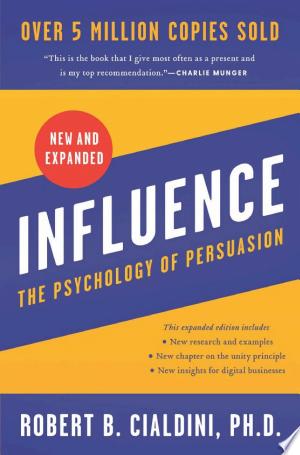
Robert Cialdini —
Category: Psicología del Jugador y los Clientes
Few works have shaped marketing, sales, and communication as much as Influence: The Psychology of Persuasion. Originally published in 1984 and updated in the "New & Expanded" edition (2021), the book condenses decades of experimental research on how and why we say "yes" to certain requests. The expanded edition reaffirms its relevance and incorporates recent material and studies, in addition to consolidating seven universal principles of persuasion.
What is it about exactly? Cialdini starts with a simple idea: in a world saturated with information, we often make decisions using mental shortcuts (“rules of thumb”) that help us act quickly. The book identifies and explains seven of these shortcuts that, when used ethically, increase the ability to influence —and, symmetrically, teach us to defend ourselves against dishonest uses. The 7 Universal Principles Reciprocity: we tend to return favors and concessions. Commitment and Consistency: once we commit, we seek to act in a way that is congruent with that commitment. Social Proof: when in doubt, we look to the behavior of others similar to us as a guide. Liking: we prefer to say “yes” to those we like or perceive as similar. Authority: signs of expertise and legitimacy increase obedience. Scarcity: we value more what is perceived as rare or limited. Unity: we are more influenced by those we feel are “one of us”; shared belonging creates an additional persuasive bond (principle elaborated in the 2021 edition). The tone of the book blends academic evidence and everyday cases (for example, the famous “Tupperware parties” to illustrate liking and social proof), always with recommendations for ethical use —a constant in Cialdini's work. What you will learn by reading it Recognize when these shortcuts are triggered in messages, offers, and decision contexts. Apply them with integrity to improve communication, sales, and negotiation (not “rhetorical magic,” but replicable principles). Shield yourself against dubious tactics: the book teaches warning signs and countermeasures to avoid yielding to undue pressures. As a framework, the work organizes its ideas from “weapons of influence” to each principle, with chapters dedicated to reciprocity, commitment/consistency, social proof, liking, authority, and scarcity—classic structure from the early editions, later expanded with unity. How to apply “Influence” in the betting industry (iGaming) —with ethics and responsible gaming The following is a practical application of the principles to the context of regulated betting. The book does not prescribe these specific tactics; they are applications aligned with its spirit and with good compliance practices. Reciprocity: Provide real value upfront (e.g., transparent odds guides, tutorials on limits and pauses, priority support), not “trap bonuses.” Reciprocity works if the benefit is useful and clear. Commitment and Consistency: Introduce voluntary and healthy micro-commitments: completing KYC, setting default limits, and confirming budget before playing. Consistency should serve the player's self-control, not their overexposure.