Open: An Autobiography
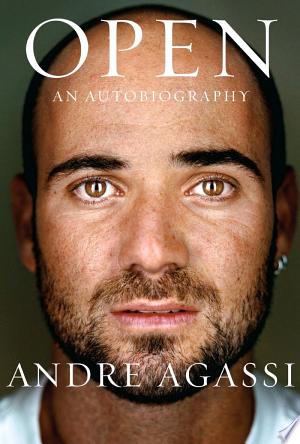
Andre Agassi —
Category: Inspiración & Mentalidad Ejecutiva
Open: An Autobiography (2009) is an atypical sports memoir: Agassi confesses that he hated tennis, describes the pressure from his father since childhood, and recounts his personal collapse in the late 90s, including his admission of methamphetamine use in 1997, which he concealed from the ATP at the time. His candor about his relationship with the sport and fame made the book a benchmark in the genre.
What is it about exactly? Agassi reflects on his childhood and early training, his time at high-performance academies, and the construction of a public image (“rebel,” long hair, ads proclaiming “image is everything”) that did not always align with his private self. The book reveals intimate details of that mask — such as the episode of the wig before the 1990 Roland Garros final — to illustrate how much appearance weighed on him. After hitting rock bottom in 1997, he embarks on a path of reconstruction supported by a new competitive approach and a stronger inner circle. The sporting turning point comes in 1999, when he wins Roland Garros and completes the Career Grand Slam (winning all four majors throughout his career). On a personal level, the book covers his emotional life (marriage to Brooke Shields and subsequent separation; later, a relationship and marriage to Steffi Graf) and his shift towards educational philanthropy, crystallized in the Andre Agassi Foundation for Education and the opening of a public school in 2001. Central themes and lessons of the book Identity vs. persona: the tension between what the public sees and who one truly is. Radical honesty as a tool for liberation and focus. Pressure and agency: the weight of family and environmental expectations on gifted talent; learning to reclaim one’s own story. Fall and resurgence: from personal/sporting crisis to tactical and mental reconfiguration culminating in 1999. Service and purpose: the transition from “champion” to opportunity builder through education: when success is directed towards something greater than oneself. What will you learn by reading “Open”? Sustainable performance requires truth: recognizing cracks (emotional, habitual, team) before they break you. Talent needs structure and boundaries: changing methods, surrounding oneself well, and returning to basics can reopen seemingly closed careers. Success is fragile without purpose: when the “why” is empty, fame does not suffice; purpose reorders priorities. “Open” is not just the story of a champion: it is the narrative of how to rebuild a life and a career by choosing truth over persona. Its impact endures because it shows that well-told vulnerability is a form of strength and that reinvention sometimes begins by admitting what is hardest for us to say.