Steve Jobs
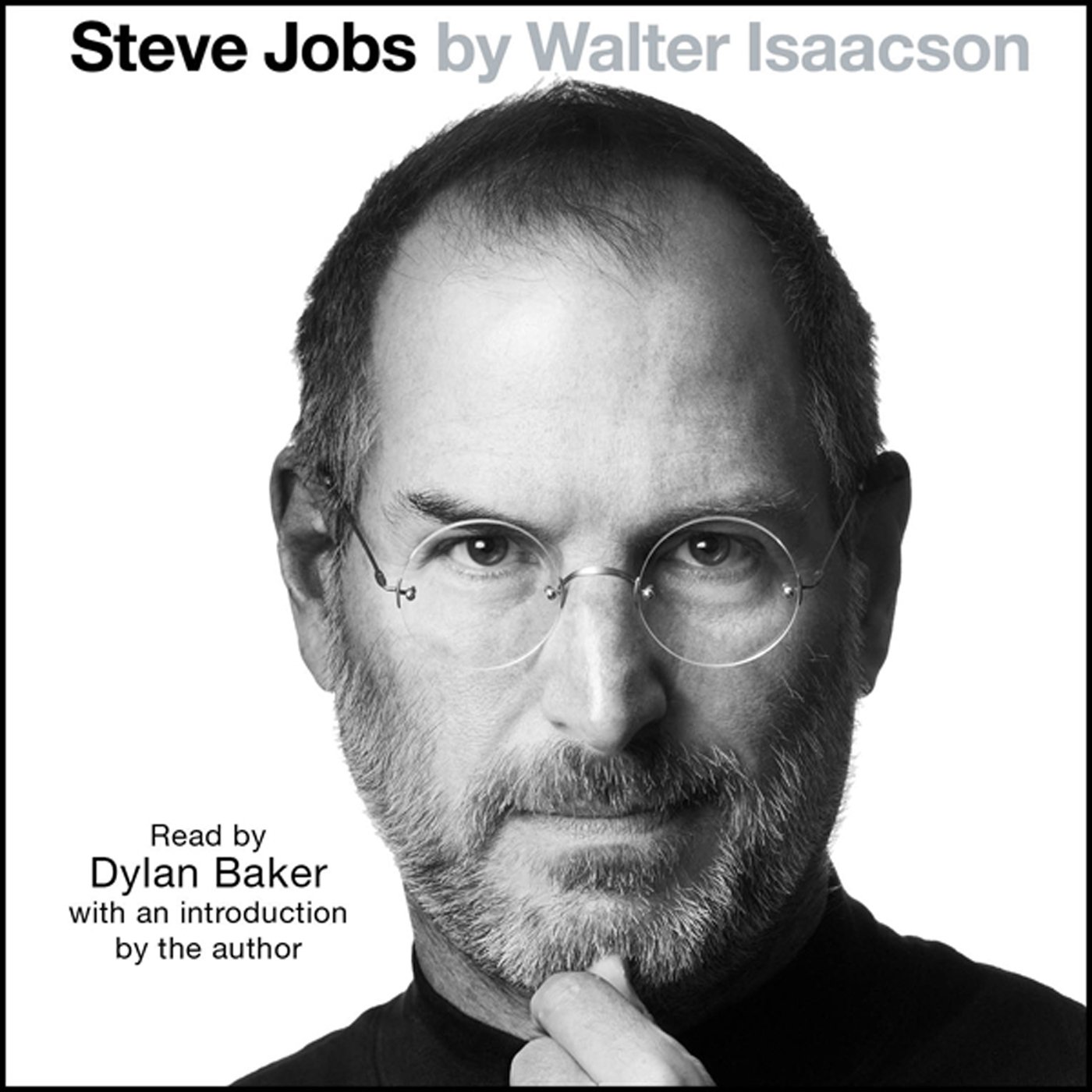
Walter Isaacson —
Category: Inspiración & Mentalidad Ejecutiva
Steve Jobs (2011) is the authorized biography that Walter Isaacson wrote after more than forty interviews with Jobs and conversations with family, partners, rivals, and colleagues. The book traces the complete arc: from the garage in Los Altos to his ousting from Apple, NeXT, and Pixar, the triumphant return, and the creation of products that redefined categories (iMac, iPod/iTunes, iPhone, iPad). It is both a portrait of a brilliant and contradictory founder and a guide on how to turn vision into products that people love.
What is it about exactly? Origins and radical curiosity: Adopted son, youth in Silicon Valley, passion for electronics with Steve Wozniak, interest in design, typography (class at Reed), zen, and counterculture. This leads to his obsession with merging technology + liberal arts. Apple I/II and Macintosh: from hobbyist kit to the first mass success (Apple II). With the Mac (1984), the graphical interface reaches the general public and the slogan “insanely great” emerges… along with internal clashes that culminate in his departure from Apple in 1985. NeXT and Pixar: at NeXT, he matures his approach to extreme integration. At Pixar, after betting on “Toy Story,” he learns about storytelling and creative culture: two ideas that he later integrates into Apple. Return to Apple (1997) and a prodigious decade: he simplifies the product line, imposes rigorous industrial design with Jony Ive, and aligns hardware, software, and stores. The iMac (1998), iPod + iTunes Store (2001–2003), iPhone (2007, with App Store in 2008), and iPad (2010) arrive. Apple goes from the brink to being the most influential tech company. Illness and legacy: cancer diagnosis, treatments, transitions (Tim Cook), and a final reflection on quality, simplicity, and focus as permanent guiding principles. Central themes and lessons End-to-end integration: controlling hardware, software, services, and retail to provide coherent experiences. Fewer loose parts, more responsibility and refinement. Simplicity as sophistication: “Saying no to a thousand things.” Removing until only the essential remains. Simplicity is a product of design sweat. Taste and detail: the interior of the product matters as much as the exterior. Materials, packaging, typography, and gestures define the feeling of quality. Team A and Direct Responsibility (DRI): small teams, top talent, and visible leaders for each area. Tough meetings, focus on the problem, and speed of decision-making. Distorted reality (for better and for worse): his famous “Reality Distortion Field” pushes to achieve the improbable… but can also blind to risks or wear out people. Product storytelling: launches as narrative acts: the stage tells the story of the “why” before the “what.” The narrative aligns audience, press, and employees. Closed experience cycles: from the goal to the store detail, from the payment system to support. Every point of the journey reinforces the promise. Shadow and human cost: extreme demands, bursts of character, controversial decisions. The book