Thinking, Fast and Slow
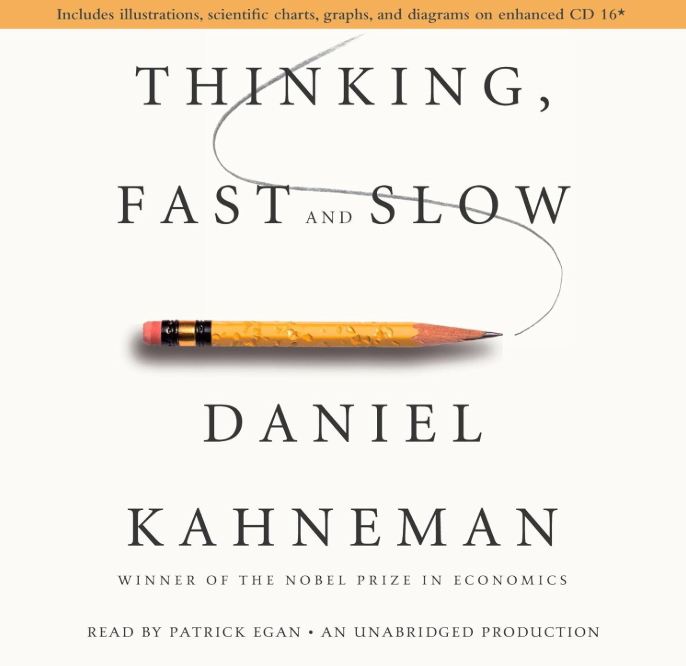
Daniel Kahneman —
Category: Psicología del Jugador y los Clientes
Thinking, Fast and Slow is a fundamental work in psychology and behavioral economics. Kahneman demonstrates how our brains take shortcuts that influence every decision, and how we can use this knowledge to improve personal and business strategies.
What is it about exactly? The book explains how the two main systems of human thought work: System 1 (fast): intuitive, emotional, automatic. System 2 (slow): analytical, rational, deliberate. Kahneman demonstrates how these systems interact and how cognitive biases influence our decisions, often leading us to systematic errors in life, business, and politics. Key ideas: The majority of our daily decisions are made by System 1. System 2 intervenes when we need logic and analysis, but it is slower and requires effort. Cognitive biases (anchoring, overconfidence, loss aversion) influence us more than we think. Understanding how we decide allows for improved strategy, management, and negotiation. What you will learn from the book: How mental processes function in decision-making. Identifying biases that affect judgments and choices. Strategies to question misleading intuitions. Tools for thinking more critically and rationally. How to apply this knowledge in business, marketing, and leadership. What concepts can we apply to the iGaming industry: Experience design: leverage intuition (System 1) for simple and clear journeys, reducing friction. Behavioral marketing: apply principles of anchoring, scarcity, or loss aversion in promotions and offers. Responsible gaming: design mechanisms that help players activate System 2 before making risky decisions. Product strategy: use decision psychology to structure bonuses, VIP programs, and retention. Data analysis: avoid internal biases in interpreting metrics and strategies. Practical toolkit: Framework of the two thinking systems. List of common cognitive biases and how they affect decisions. Exercises to activate critical thinking in teams. Practical applications in negotiation, pricing, and experience design. Errors the book helps you avoid: Blindly trusting intuition without validating with data. Underestimating the influence of biases in decision-making. Designing products or strategies without considering user psychology. Believing that more information automatically leads to better decisions. Summary Thinking, Fast and Slow is a fundamental work in psychology and behavioral economics. Kahneman shows how our brains take shortcuts that influence every decision, and how we can use this knowledge to improve personal and business strategies. In iGaming, understanding the systems of thought allows for the design of more intuitive experiences, more effective campaigns, and stronger responsible gaming policies.
Related videos
- Thinking, Fast and Slow | Daniel Kahneman | Talks at Google
- THINKING, FAST AND SLOW by Daniel Kahneman | Core Message
- Daniel Kahneman: Daniel Kahneman: El enigma de la experiencia frente a la memoria
- Daniel Kahneman: Why We Make Bad Decisions About Money (And What We Can Do About It)
- Daniel Kahneman: Thinking Fast vs. Thinking Slow | Inc. Magazine