Viven
Piers Paul Read —
Category: Inspiración & Mentalidad Ejecutiva
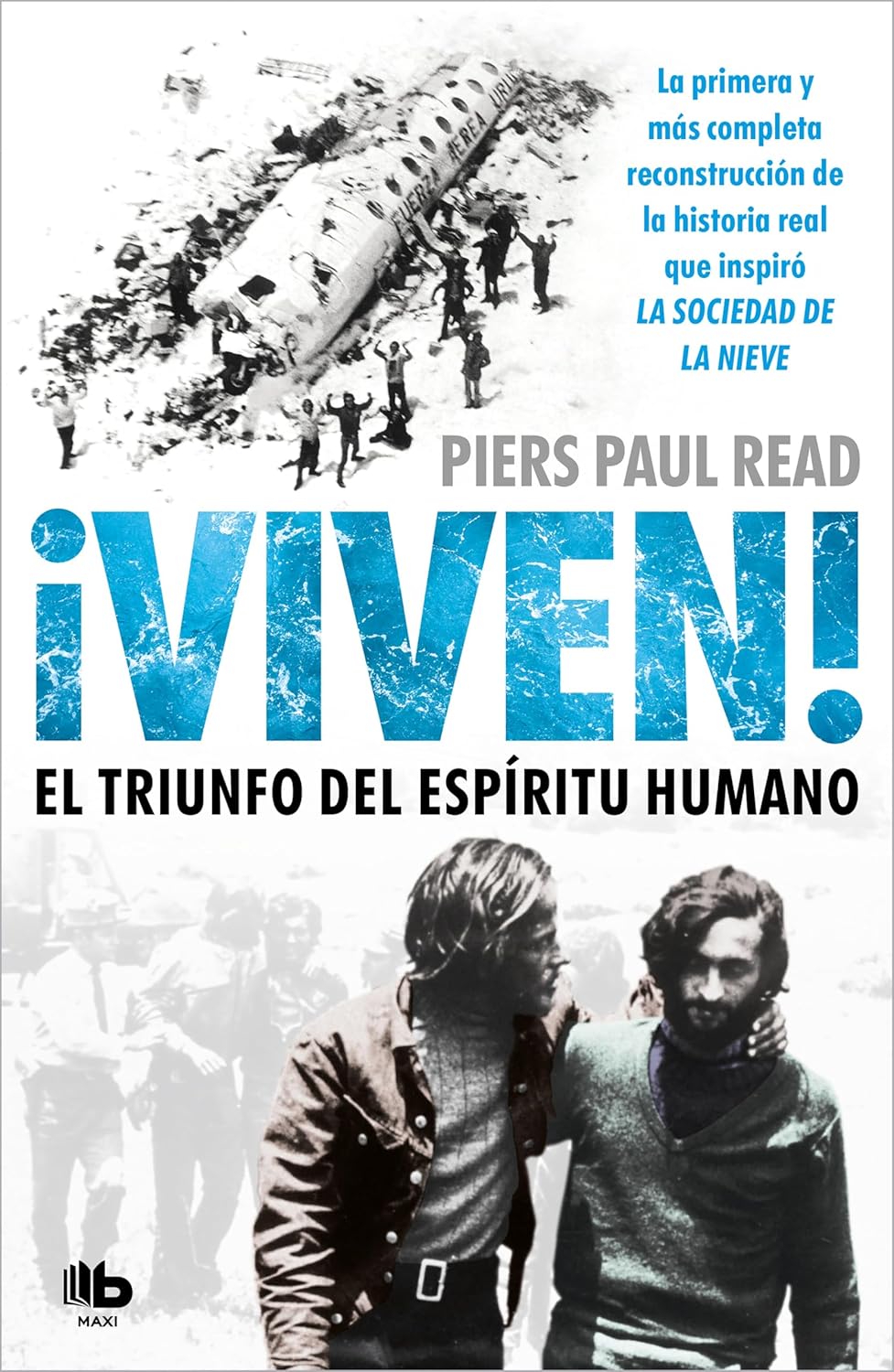
The true story of the survivors of the Andes, protagonists of The Society of the Snow, the new and acclaimed film by J. A. Bayona. They live! The Triumph of the Human Spirit recounts this chilling ordeal and that of the families of its protagonists, who never stopped searching for them. In 1972, a Fairchild Hiller FH-227 aircraft of the Uruguayan Air Force departed from Montevideo, bound for Santiago de Chile, carrying the Old Christians rugby team and their companions. However, a very different fate awaited them than the one they had envisioned. The infernal weather conditions led to disaster, and the aircraft crashed into the Andes. Only sixteen of the forty-five passengers aboard the plane survived the accident and the nearly three months of indescribable hardships they endured due to hunger, cold, and pain. With no other provisions, they were forced to confront the horror of feeding on the flesh of their deceased companions in a desperate act to preserve their lives.
What is it about exactly? The book follows the timeline from the accident and the improvised first aid, through life in the fuselage (managing water, heat, food, hygiene, shifts), the avalanche that further reduced the group, and the collective decision—painful and debated—to feed on the bodies of those who had died, treating it with respect and consent. It culminates in the foot expedition of two survivors across glaciers and peaks until they find help, which activated the helicopter operation. Read avoids sensationalism: interweaving voices and testimonies, contrasting memories, and reconstructing in detail the logistics, conflicts, and ethics of a group pushed to the limits of humanity. Central themes and lessons Radical cooperation: survival was a collective project: task distribution, minimal rules, space organization, consensus decisions when possible. Situational leadership: there was no single hero; different people led at different moments (health, shelter, navigation, morale). Leadership changed with the needs. Ethics in extreme conditions: the book addresses, without morbidity, the food decision: moral framework, faith, consent, rituals of respect. A boundary case of practical bioethics. Ingenuity and “micro-innovation”: melting snow, improving shelter, improvising warmth, making harnesses, charting routes: small solutions that together made a difference. Resilience and meaning: disciplined hope (keeping track of time, maintaining routines, prayers, conversations) as a psychological resource to avoid breaking down. Memory and narrative: Read emphasizes that telling the story well restores dignity to victims and survivors, and corrects media simplifications. What you will learn from “Alive!” Crisis management in hostile environments: prioritizing problems (heat, water, shelter), assigning roles, and making decisions under uncertainty. Teamwork when there are no formal hierarchies: how rules are negotiated and social norms are maintained in extreme circumstances. Practical leadership: when to give orders, when to seek consensus, when to relinquish command. Mental hygiene in adversity: routines, symbols, and conversations that maintain morale. Ethical thinking without a laboratory: how to argue and agree on an extreme moral decision while respecting beliefs and affections. Why it remains essential Because it separates the myth from the real experience and preserves the humanity of its protagonists. Because it is a manual—harsh and illuminating—on organization, ethics, and courage in extreme situations. And because, read today, its lesson transcends the mountain: no lasting survival is individual. “Alive!” reads with the pulse of a thriller and the respect of a testimony. Piers Paul Read leaves us with more than a famous story: a moral and practical guide on how a group of people, with pain and doubts, chose to care for, think, and act together until they returned home.
Related videos
- La sociedad de la nieve | Tráiler oficial | Netflix
- Los supervivientes de La sociedad de la nieve: detrás de las cámaras | Netflix España
- Reacción de los sobrevivientes | La sociedad de la nieve: ¿Quiénes fuimos en la montaña?
- El Milagro de Los Andes: la historia contada por sus protagonistas
- EL MILAGRO DE LOS ANDES ¿Cómo lograron sobrevivir? | Inexplicable Latinoamérica