CONMEBOL covers betting brands only on the Brazilian signal
The South American Football Confederation found a technical solution to the Brazilian ban and, at the same time, discovered its limit. To avoid breaking the contracts it signed with international companies, the entity set up a virtual overlay system on the stadiums' LED panels, allowing it to split the television signal. This way, broadcasts abroad continue to show industry brands, while the broadcast for the Brazilian public replaces them with institutional messages or advertising from other sponsors.
The origin of the problem is Provisional Measure No. 1,394/2026, which prohibits the exploitation, commercialization, and advertising dissemination of betting on Brazilian territory. This forced the confederation to redesign how its sponsors are displayed in the Copa Libertadores and Copa Sudamericana. The mechanism has already undergone two field tests: the first leg of the Sudamericana semifinal in La Bombonera, where Vasco da Gama beat Boca Juniors 1-0, and the Libertadores semifinal clash between Estudiantes de La Plata and Flamengo.
The segmentation saves part of the portfolio but leaves another part unanswered. Brands targeting the Spanish-speaking public retain their exposure on the international signal, but agreements made exclusively for Brazil were left without support, and Sportingbet's case is the clearest example. The company, which also sponsored Palmeiras before the ban, had a contract with the confederation that gave it exclusive sponsorship of the Copa Libertadores in Brazil, which is now inactive, its fate tied to what the Brazilian Congress decides.
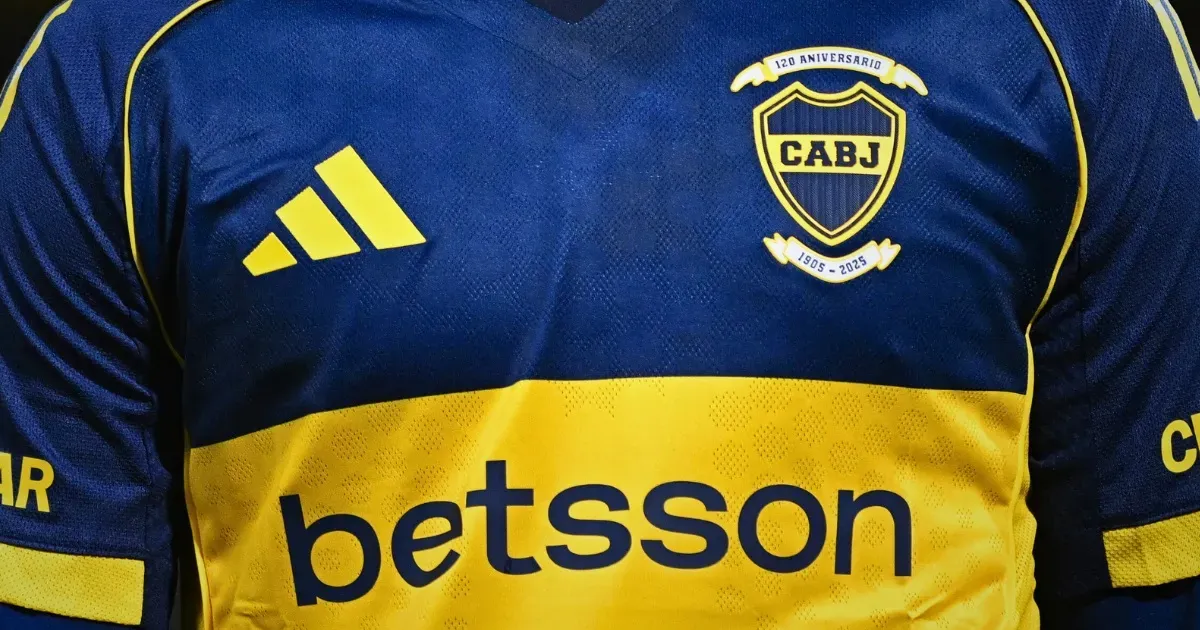
The most uncomfortable point of the matter is not on the panels but on the clothing. Static stadium advertising can be altered with a digital layer, but a visiting club's jersey cannot, and this is where the Brazilian norm clashes with the legal situation of teams from the rest of the continent. The visible example is Boca Juniors, whose main sponsor is Betsson, a link signed in Argentina, a country where the company has legal operations. The legal question is whether Article 16 of the measure, which prohibits content promoting these services aimed at Brazilians, is sufficient to prevent a visitor from entering the field in their official kit.
No one has answered yet. Brazilian authorities have not established a unified interpretation of how far the norm extends when it comes to foreign club jerseys, and the closest precedent comes from another sport, when the local tobacco ban forced Formula 1 teams to camouflage their brands to race at the Autódromo de Interlagos. The return leg is scheduled at the Maracanã for Tuesday, October 20, so the decision has a date. Neither the Argentine club nor Betsson have commented on the situation, while fans on forums and social media expressed their discomfort that a decision made by the Brazilian government ends up interfering with the club's internal affairs.
The episode reveals how much a continental competition today depends on the region's largest jurisdiction. The confederation sells global sponsorships and delivers them segmented by signal, a practice that comes from digital advertising and is used here to comply with a national prohibition without breaching an international contract. However, this engineering only works on what can be replaced in real-time. Everything physical,the jersey, the pennant, the press banner,is beyond the reach of the solution and depends on an administrative interpretation that does not exist. The detail to follow is the status of Sportingbet's contract, which was not rescinded but declared inactive, a status that parks the responsibility of both parties until Congress defines whether the ban remains firm, and which explains why no one in the South American football commercial chain is closing new deals with the sector in the meantime.
Tags: CONMEBOL, Betting ban in Brazil, Sports sponsorships, Betsson