Brazil's Supreme Court analyzes gambling ban
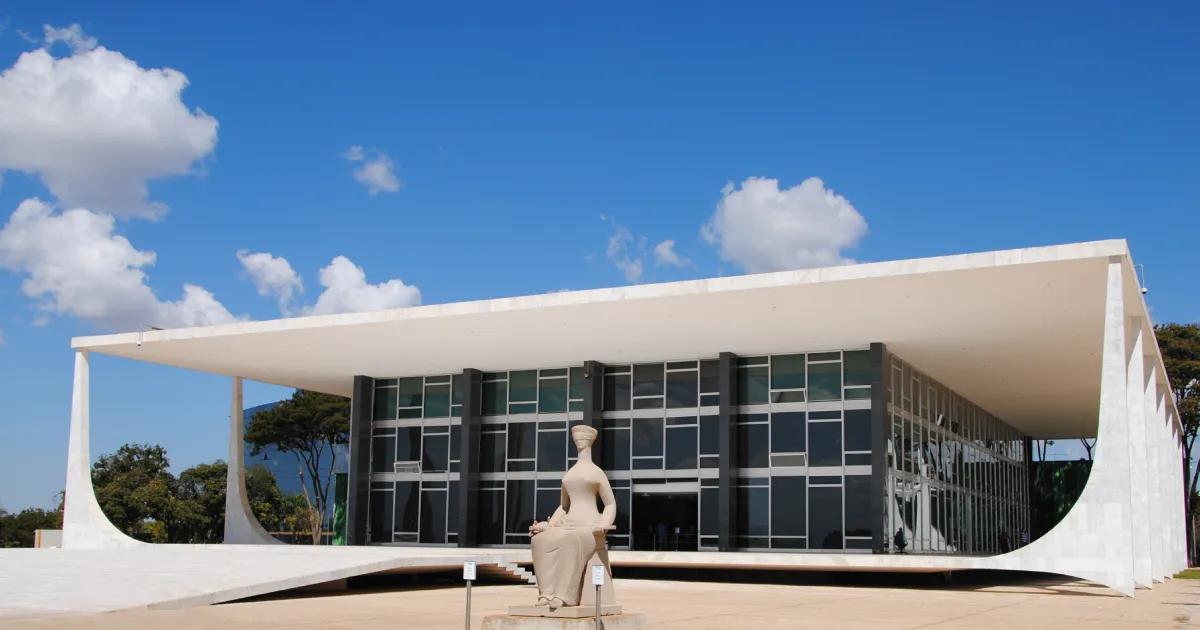
On August 5, Brazil's Supreme Federal Court resumed a debate that could mark a new chapter for the country's gambling industry. The court is analyzing whether the prohibition of gambling established in the 1941 Criminal Misdemeanors Law was incorporated by the 1988 Federal Constitution or if it ceased to be valid under the new constitutional framework. The process has been recognized as having general repercussion, meaning the court's decision will serve as a reference for the entire Brazilian Judiciary.
The case specifically discusses Article 50 of the Criminal Misdemeanors Law, which currently defines the exploitation or maintenance of gambling as a criminal misdemeanor. The central question is to determine whether this prohibition remains compatible with constitutional principles such as free economic initiative. The appeal was filed by the Public Prosecutor's Office of Rio Grande do Sul against a decision by an appellate panel of the state's special criminal courts, which had considered that the 1941 rule could conflict with the current Constitution and had ceased to apply the criminal sanction in certain cases.
In practice, the court will not directly decide on the legalization of casinos, bingo, Jogo do Bicho, or other currently prohibited modalities, as the analysis is limited to establishing whether the exploitation of gambling can still be considered a criminal misdemeanor under current legislation. If the majority of ministers consider that the rule was not incorporated by the 1988 Constitution, gambling would cease to be a criminal offense, although any eventual authorization to operate these activities would still depend on specific regulation approved by the National Congress and sanctioned by the Executive Branch.
The debate gains relevance at a time of transformation in the Brazilian gambling market, as while sports betting and fixed-odds online games operate under federal regulation, other traditional modalities such as land-based casinos, bingo, and Jogo do Bicho remain prohibited. Minister Luiz Fux, the case rapporteur, emphasized that the discussion transcends the particular interests of the case due to its economic, political, social, and legal consequences, and argued that the divergence generated in Rio Grande do Sul justified the court's intervention with national scope. In parallel, the Senate is still analyzing Bill 2.234/2022, which proposes to legalize and establish rules for casinos, bingo, Jogo do Bicho, and other modalities. Therefore, the Supreme Court's decision, while not by itself opening the market, could redefine the legal framework supporting the prohibition that has been in place for over eight decades.
Tags: Federal Supreme Court, Criminal Misdemeanors Act of 1941, Luiz Fux, Bill 2,234/2022