A bill proposes a plebiscite on gambling in Brazil
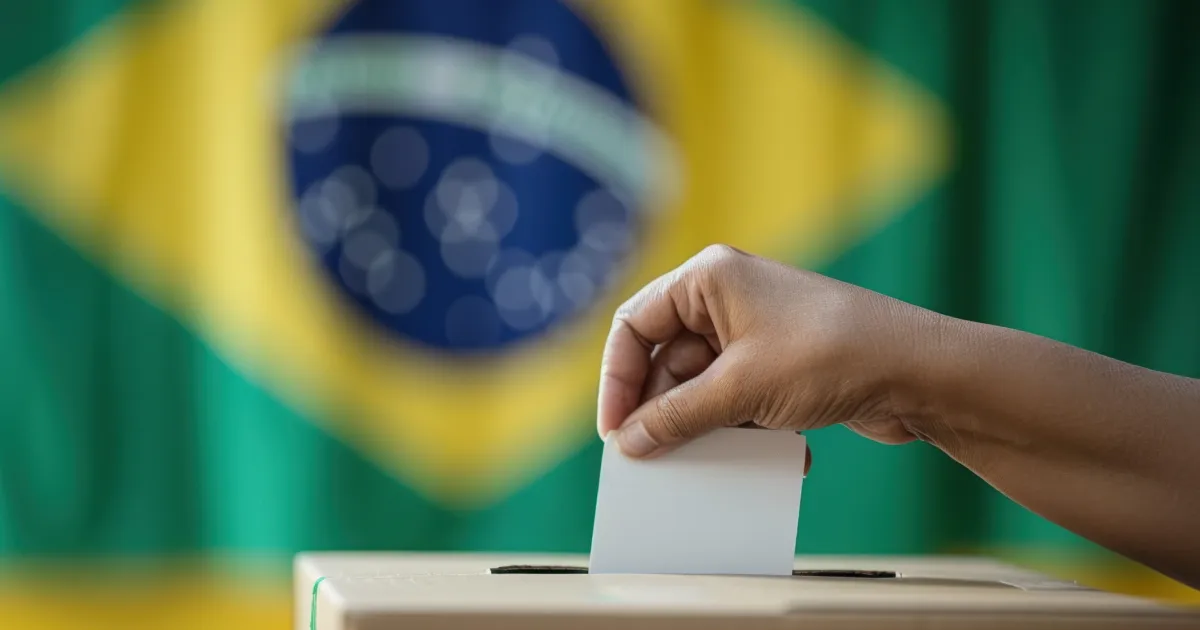
A bill introduced in Brazil's Chamber of Deputies proposes a national plebiscite for the population to decide on the prohibition of fixed-odds betting and online gambling in the country. The initiative, identified as legislative decree project 930/2026 and presented by Deputy Paulo Teixeira, suggests that voters answer whether they are in favor of prohibiting these activities, with affirmative and negative options. If the project is approved by the National Congress, the consultation would take place nationwide on a date to be determined by the Electoral Justice, and it would then be up to Congress to adopt legislative measures derived from the popular decision, respecting the result ratified by the Superior Electoral Court.
In his justification, Teixeira argued that the growth of digital platforms has increased the presence of the activity in daily life and also concern about its social impacts, noting that betting no longer depends on a physical establishment and is now available at any time from a phone, with intense exposure in advertising and sports contributing to it becoming an increasingly common and socially accepted practice. The deputy acknowledged that Congress has already established rules for the market through the law regulating fixed-odds betting, with standards for authorization, supervision, advertising, player protection, problem gambling prevention, anti-money laundering, and sports integrity, but he stated that regulation does not end the debate about the activity's permanence.
The author cited concerns related to decreased income, indebtedness, the use of resources allocated for essential expenses, and the development of compulsive behaviors, while also acknowledging arguments in favor of maintaining a legal market, admitting that it is legitimate to debate the economic benefits of the sector, including the resources it generates for the state, and that a regulated market offers authorities supervisory tools that would not exist in the same way in an clandestine market. Despite this, he argued that these aspects must be evaluated alongside potential social costs, mentioning family income, consumer protection, children and youth, advertising, sports, public health, and financial security, and he defended that the decision should not be limited to Congress, the Government, and businesses, but that it is necessary to listen to the population. The project was introduced on August 12th and, for the consultation to take place, it must still advance through the legislative process and be approved by Congress.
Tags: Draft legislative decree 930/2026, Referendum on gambling, Paulo Teixeira, Fixed-odds betting in Brazil