Dominican Republic resumes the bill to regulate gambling
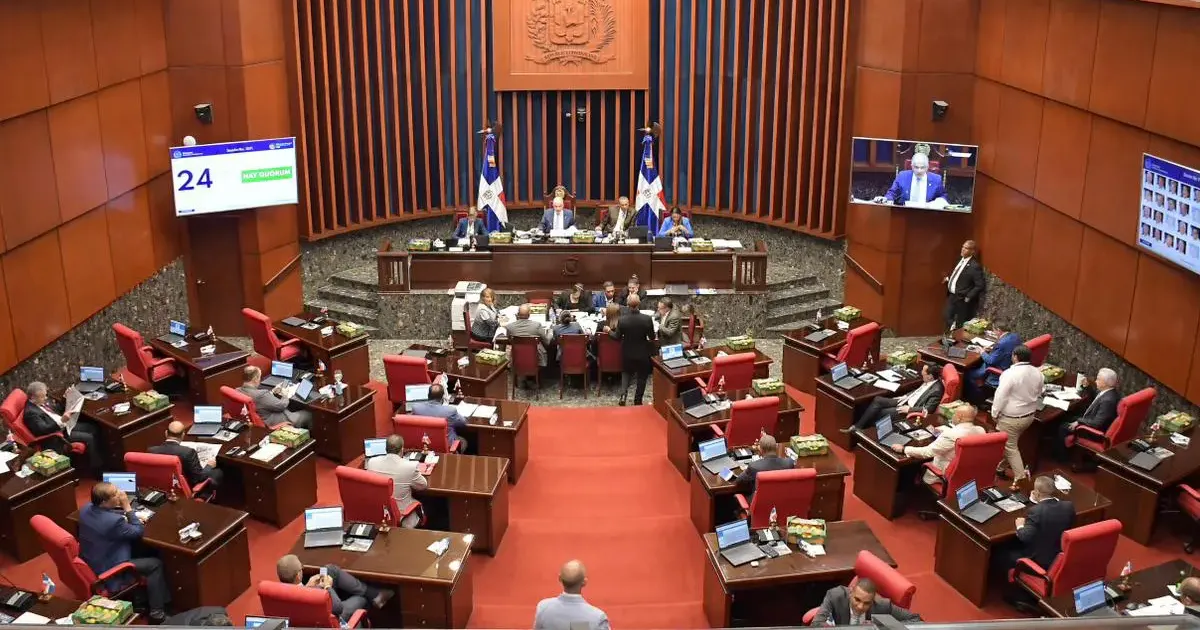
The core of the bill returning to debate in the Dominican Senate is a ten-year freeze on granting new licences for lottery outlets, a lock designed to cut the proliferation of these establishments once the official registry of licensees is published. The only door left open during that period is that of casinos forming part of new hotel projects. The initiative also shapes the General Directorate of Games of Chance, an autonomous body that will concentrate regulation, supervision, oversight and the application of sanctions in the sector.
The topic's return to the floor has a pending step. The Upper House's Finance Commission, headed by senator Pedro Catrain, will begin next week to review the changes the Chamber of Deputies introduced to a text originating in the Executive that had been left unresolved in the previous legislature. On 24 July the Senate was about to approve it in a single discussion, but halted the process precisely over those modifications, and the chamber's president, Ricardo de los Santos, anticipated then that it would be resumed in the current legislature.
The reform sets out a licence regime with a ten-year validity and orders the activity both physically and digitally. For in-person premises it sets minimum installation distances, with outlets that may not be located less than 200 metres from certain establishments and other premises that must respect up to 500 metres from schools, hospitals, churches and other institutions. In the online arena it establishes a 10 per cent tax on gross internet sales, enables the blocking of domains and IP addresses of unauthorised platforms, creates a single registry system to centralise betting information and reinforce money laundering prevention, and regulates slot machines with a minimum return of 85 per cent and a cap of fifteen machines per sports betting outlet.
The other big chapter targets gambling operating outside the legal framework, with penalties of one to two years in prison for those functioning without a licence or outside authorised places and sentences that can reach ten years in the most serious cases, such as the use of front men or the concealment of earnings. To that is added a scheme of graduated administrative infractions and specific provisions against fraud and the manipulation of bets and results. The clock, however, runs against it: if the initiative is not approved before January 2027, it will expire again.
Tags: Senate of the Dominican Republic, Gambling regulation, Lottery parlors, Directorate General of Gambling