Ecuador: Current Situation and Executive Indicators!
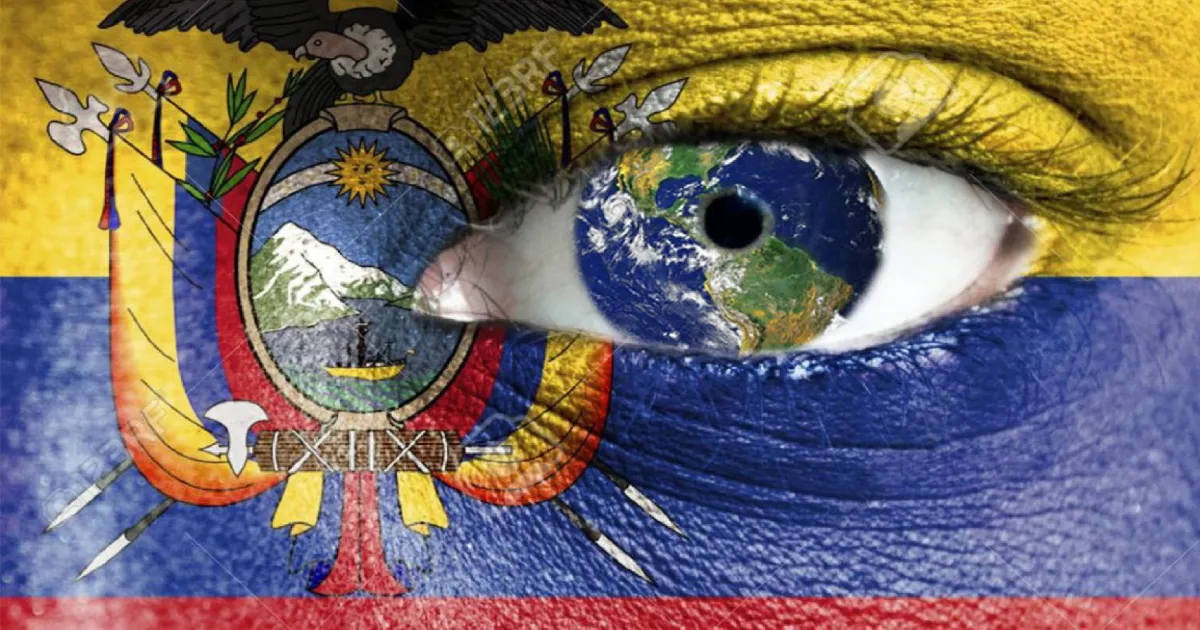
Quito, the capital of Ecuador and one of the most emblematic cities in the Andean region, combines history, monetary stability, and sustained growth in a modern and safe environment for business. With a dollarized economy, a young population, and a growing business ecosystem, the city positions itself as a strategic point for corporate events and regional expansion.
The country’s political and economic context presents challenges but also clear opportunities for development in sectors such as technology, tourism, energy, and digital entertainment. This summary offers a concise overview of Quito’s current environment and its relevance as the host of the G&M Eventos Quito 2026.
History and Context
Quito, capital of the Republic of Ecuador since 1830, was founded in 1534 and is located in the Andes mountain range at an altitude of 2,850 meters above sea level. It is one of the highest capitals in the world, and its historic center, declared a UNESCO World Cultural Heritage site, is considered one of the best preserved in Latin America.
The country adopted the US dollar as its official currency in 2000 after a deep financial crisis, which allowed the economy to stabilize and inflation to be contained, although it limited national monetary policy.
Demographics and Population
Ecuador has an approximate population of 18 million inhabitants, with an equitable distribution between urban and rural areas.
The city of Quito has nearly 2.9 million inhabitants and is the second most populous city in the country after Guayaquil. Its population is young and has a higher educational level compared to the national average, being the main political, administrative, and technological center of the country.
Economic Situation
Ecuador’s nominal Gross Domestic Product (GDP) is around 118 billion dollars.
Economic growth was 2.4% in 2023, with an estimated contraction of 2% in 2024 and expectations of moderate recovery for 2025.
The official currency is the US dollar.
The national unemployment rate is between 4% and 5%, one of the lowest in the region.
The main economic sectors are oil, agriculture (banana, cocoa, flowers), mining, energy, tourism, and services.
Remittances from abroad represent an important source of foreign currency.
Quito is the country’s main center for services and business, with growing activity in technology, higher education, corporate tourism, and financial services sectors.
Health and Human Capital
Ecuador has significantly improved its health and welfare indicators.
The average life expectancy is 77 years.
Health expenditure represents around 7% of GDP.
In Quito, private health services meet international standards, and the city has prestigious universities and a skilled workforce, especially in engineering, finance, and technology.
Politics, Governance, and Security
Ecuador is a presidential democratic republic. In recent years, it has faced political tensions and security challenges related to organized crime.
Quito, despite being one of the safest cities in the country, faces mobility and inequality problems, although business areas such as La Carolina, Cumbayá, González Suárez, and La Floresta are safe and have good infrastructure.
The country maintains a solid institutional structure and active policies to attract foreign investment, although bureaucracy and political volatility can affect long-term predictability.
Key Indicators (2025 estimated)
Total population of Ecuador: 18 million inhabitants
Population of Quito: 2.9 million inhabitants
Nominal GDP: 118 billion dollars
GDP growth 2024: -2.0%
Unemployment: 4.5%
Inflation: 2.2%
Life expectancy: 77 years
Poverty rate: 26%
Currency: US dollar
Executive Summary
Quito combines heritage, stability, and modernity in a privileged natural environment. It is a city that offers adequate infrastructure for international events, an expanding business ecosystem, and a favorable environment for executive networking.
At the national level, Ecuador presents monetary stability, moderate growth, and a young workforce, although it faces structural challenges in economic diversification, security, and institutional efficiency.
For international executives participating in events or projects in Quito, the environment offers reasonable legal security, competitive operating costs, and a high quality of life within the Andean context.
Its combination of history, talent, and emerging opportunities makes Quito a strategic point for business expansion in the Andean region and northern South America.
Tags: GM Ecuador 2025