Only 16 companies applied for a betting licence in Ecuador
Only 16 companies filed applications for the Sports Betting Operators Licence in Ecuador, the only title allowing bets to be taken legally in the country. Measured against the previous universe, that number is a severe filter: the Internal Revenue Service had counted 65 taxpayers engaged in the activity in 2024, companies and individuals alike, so the applicants are 24.6% of that register.
The comparison with the most recent figure gives a less harsh but equally clear reading. The Companies Superintendency register counted 29 firms trading under the activity code covering the sector as of June 2026, so the 16 applications equal 55.2% of the companies operating 5 months ago.
Almost half the formally active companies chose not to apply, and the likeliest reason lies in the requirements. In September the Ministry of Education, Sport and Culture set a floor of USD 500,000 in net worth to obtain the licence, a threshold leaving out any small operation however registered it was.
The window to apply was tight and allowed no extension. The Sports Law Regulation that president Daniel Noboa issued in Decree 422 granted 90 business days of transition to operators already running, a period equal to some 126 calendar days, which expired without possible extension on 21 October 2026.
As of 11 November, 21 days after the close, the 16 files were still under technical and documentary review, as the ministry itself confirmed to the Ecuadorian outlet Primicias. The ministry did not release the full list while the review proceeds.
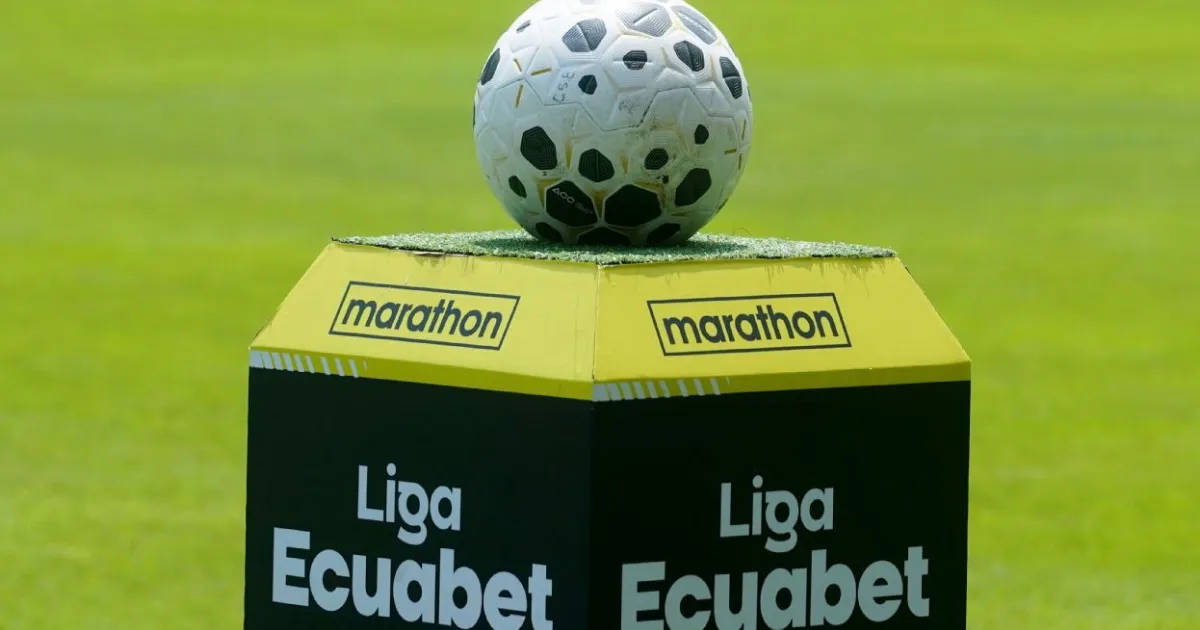
Several of the names that began the process did emerge, and the list covers the market's 3 types of player. Ecuabet, which leads the Ecuadorian market in billings and runs on Sportek's platform. Bet593, the platform operated by the Guayaquil Charity Board. And Betano, which applied through its local entity Kaizen Gaming Kaigaec S.A.
That combination is what matters for understanding the market left standing. A dominant local operator, a platform belonging to a century old charitable institution and an international group, meaning the licence brings together domestic private capital, the non profit sector and foreign capital under the same rules.
The known group is completed by Ambos Marcan, through Ambos Marcan Ecuador Pronosticos Deportivos S.C., and Forbet, plus 2 companies incorporated in Ecuador on the technology and operating side, MCSN Ecuador S.A.S. and Ecuadorsoftware Solutions S.A.S.
The rule's harshest part is not the entry requirement but the door it closes on the way out. Anyone already trading who let the deadline pass has no right to a licence, and the text also shuts the routes back in: no second company, no change of corporate name, no transfer of assets to a third party and no leaning on equivalent structures to return to the Ecuadorian market.
That clause anticipates the sector's classic move. Without it, an excluded company could return the next day under another name with the same owners and the same platform, which is what the regulator sought to block by listing the 4 manoeuvres.
It remains to be seen how many of the 16 actually clear the analysis. The filter has already acted on who applies, but the second cut, who obtains the licence, still rests with the ministry and there is no resolution date on those files.
The Sports Betting Operators Licence is the title Decree 422 created to bring order to a market that in Ecuador had been running without a specific framework, and the country had already announced the use of Palantir technology to monitor the activity, so the scheme combines a capital barrier at entry with monitoring capacity over those who stay in.
Tags: Ecuador, licensing, Decree 422, sports betting