Puerto Rico and San Juan – History, Economy and Culture
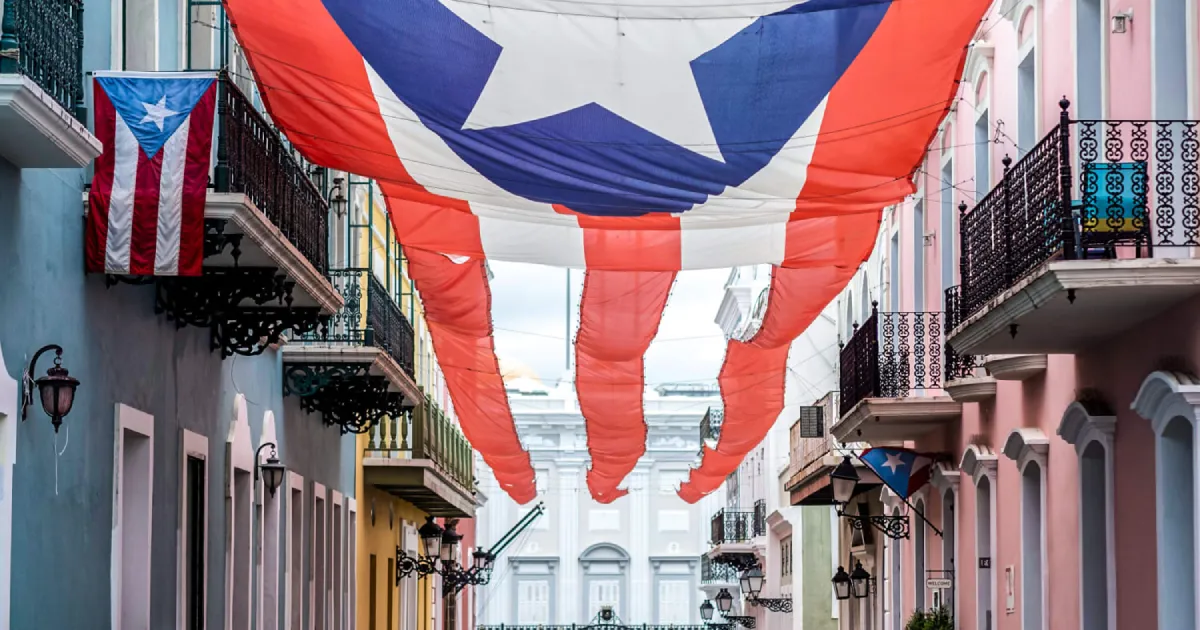
📜 Brief Historical Overview of Puerto Rico
Pre-Columbian Era: the island was inhabited by the Taínos, an agricultural and fishing people who called the island Borikén (“Land of the Brave Lord”).
Spanish Colonization (1493 – 1898): Christopher Columbus arrived on his second voyage (1493) and Puerto Rico became a strategic enclave for Spain in the Caribbean. For more than 400 years it was a military and commercial stronghold, with San Juan as the main port.
Change of Sovereignty (1898): after the Spanish-American War, Puerto Rico became a territory of the United States.
20th Century – Commonwealth Status (1952): a local constitution was established under U.S. sovereignty, creating the figure of “Commonwealth of Puerto Rico,” with autonomy in internal affairs but without full representation in the U.S. Congress.
21st Century: the island maintains a hybrid political status: it is an unincorporated territory of the U.S., its citizens have U.S. passports but no right to vote in presidential elections.
📊 Current Key Data
Economy:
- GDP: around $112 billion (2024).
- Projected growth for 2025: 2.6%, with stability through 2033.
- Main sectors: manufacturing (pharmaceuticals, biotechnology, medical devices), tourism, financial services, and federal remittances.
- Tax incentives: laws that promote foreign investment, especially in technology, iGaming, service exports, and cryptocurrencies.
Politics:
- Democratic structure under its own constitution (1952).
- Governor elected every 4 years; current governor: Pedro Pierluisi (PNP, 2021–2025).
- Ongoing debate about political status: statehood, independence, or maintaining the current status.
Society:
- Population: approx. 3.2 million inhabitants (2025).
- Official languages: Spanish and English (Spanish predominates in daily life).
- Culture: strong blend of Taíno, African, and Spanish heritage, enriched by U.S. influence.
🏙 Brief History and Current Status of San Juan
- Founded in 1521 as San Juan Bautista de Puerto Rico, it is the second oldest European-origin city in America.
- It was a strategic Caribbean fortress, with walls, bastions, and castles that are now World Heritage sites (El Morro and San Cristóbal).
- Currently, it is the political and economic capital of the island: it houses government institutions, banks, hotels, and the Convention Center, venue for major international fairs.
- Key neighborhoods for business visitors:
- Condado: hotel and business area by the sea.
- Isla Verde: hotels, beaches, and nightlife.
- Old San Juan: historic and cultural center, with Spanish colonial architecture.
- Santurce: artistic, gastronomic, and urban innovation hub.
Tags: Puerto Rico, GAT Expo Puerto Rico, GAT Expo Puerto Rico 2025