Bolsonaro says there is already an agreement to reopen the Brazilian market
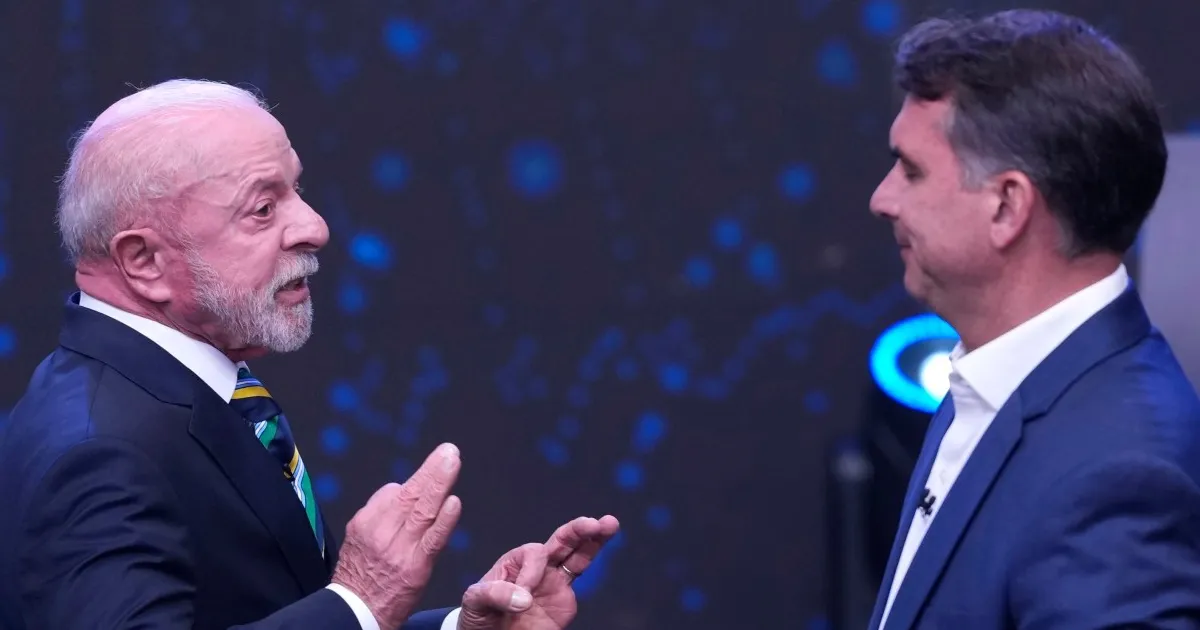
The measure that the Brazilian Government presented as an electoral banner disappeared from the debate between Luiz Inácio Lula da Silva and Flávio Bolsonaro. Neither candidate mentioned the veto on online betting, despite expectations that the topic would arise, and the conversation remained focused on the economy, public security, insecurity, and corruption allegations. Household debt, which was the central justification for the veto, entered the economic block without a single reference to the regulation that invoked it, and there was no mention of the proliferation of illegal sites or lost revenue.
The silence is striking given the importance the government had placed on the issue. Provisional Measure 1.394/2026, which outlawed online casinos and fixed-odds betting, was signed on September 25, nine days before the first round, with family debt as the argument and with Finance Minister Dario Durigan, who ended up treating the election as a plebiscite on betting. The result did not align with this framing; Bolsonaro finished the first round with 47 percent and Lula with 45, and in the days that followed, the government's own campaign concluded that the prohibition had cost them votes.
The president only mentioned it again on Friday, the 16th, but it had already transformed into something else. Lula attacked Globo and attributed their anger to his ending of betting, so the measure ceased to function as public policy in his discourse and became ammunition against a media group. In parallel, the letter the president addressed to the evangelical electorate, one of the segments most resistant to gambling, relied on MP 1.394 as a proselytizing tool.
On the challenger's side, the silence also has context. It emerged, hours before the debate, that the Federal Police had submitted an accusation to the Supreme Federal Court involving the senator and lawyer Willer Tomaz, on suspicion of money laundering. Tomaz is identified as the de facto controller of Rede Loto, the first company to obtain authorization to operate sports betting in the country.
The most concrete signal about the future of the sector did not come from the debate but from a column in the O Povo newspaper. According to that report, Bolsonaro told the leadership of Grupo Globo that the National Congress has already reached an agreement for online betting to return, and the only thing pending is to define whether the return will include virtual casinos, with "jogo do tigrinho" and "aviãozinho" among the examples, which are the products where the bulk of the sector's revenue lies.
The meeting took place on Friday, the 16th, during a lunch attended by João Roberto Marinho, who presides over Grupo Globo, and Paulo Tonet, vice president of Institutional Relations, and according to the same report, the dominant topic of the meeting was the legalization of betting. The group has double exposure to the veto, both through its own betting operations, as it participates in BetMGM alongside MGM Resorts through Boa Lion, and through the advertising revenue it lost in sports events and channels.
This statement must be read carefully, because a parliamentary agreement announced by a candidate at a private lunch is not a verifiable agreement, and the Joint Commission that must rule on the measure has not yet appointed a president or rapporteur. That said, it is the first time that someone with a chance of governing has put a political date on the reopening, and the detail provided by the column is what matters most to the sector, because leaving virtual casinos out of the return is equivalent to reopening the packaging and not the content, since online casino is what sustains the bulk of the income and the tax burden that the State lost. The calendar is tight anyway; federal authorizations expire on October 25, the same day as the runoff election, the text begins to block the plenary agenda on November 9 and expires on the 23rd, so whoever wins will find a market already dismantled and with little more than a month to decide whether to reassemble it.
Tags: Brazil, Flávio Bolsonaro, Provisional Measure 1,394, market reopening