Brazil raises to R$159 million the balance that must be returned to players
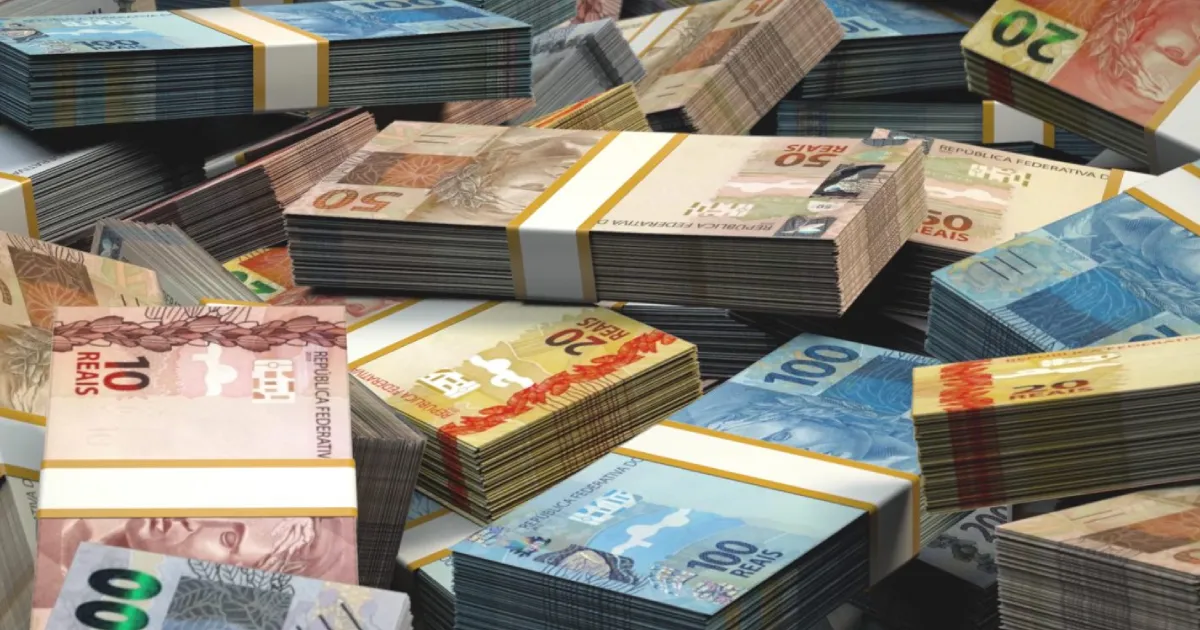
The money that Brazilian bookmakers must return to their users has been set at R$159 million, according to the update provided by the platforms themselves and confirmed by the Government's Social Communication Secretariat. Banks are required to transfer this money this Wednesday, October 14.
The universe of affected accounts is enormous, and the amount per person is minimal. There are 22.5 million account holders behind the 70.5 million accounts listed in official records, according to BNLData. Looking at how the balances are distributed, it appears that the remaining amount is less than one real in 90% of these accounts, while in 97% the pending amount is less than ten reals. If any transfer is blocked due to a technical impediment after October 14, the unreturned money will be transferred to Caixa Econômica Federal, which will be responsible for managing the refunds directly.
The final figure comes after a significant correction. When the deadline for players to withdraw funds on their own expired on October 5, the amount reported by the operators was much lower. The subsequent review, combined with the mandatory report that operators had to submit, brought the total to the current R$159 million.
This mandatory submission is precisely what led to a legal case. The Public Prosecutor's Office will immediately take action against eight companies in the sector that failed to provide banks with their bettors' information. The deadline for doing so had expired on October 7 and involved detailing to the banks the exact amount for each user, along with their tax identification number and the account from which they had deposited. Without these details, payments cannot be processed, so the lawsuit seeks to legally compel the eight firms to provide the data and ensure the money is returned.
While the refund process moves forward, oversight of the clandestine market has escalated. Authorities detected 16,627 illegal websites between September 25 and October 9 and requested the blocking of all of them, with 2,979 of these detections concentrated just between October 8 and 9. The task is shared by the Prizes and Betting Secretariat of the Ministry of Finance, the Digital Rights Secretariat of the Ministry of Justice, and the Cyber Operations Laboratory, which reports to the National Public Security Secretariat. The irregular addresses they track are ultimately sent to the National Telecommunications Agency and the Internet Steering Committee in Brazil, which are responsible for deactivating them.
There are two figures in this report that should be noted carefully because they do not align with previously reported information. The first is the balance, as on October 6, the Government had announced a total close to R$1.33 billion for refunds, and the number confirmed today by the Social Communication Secretariat is eight times smaller; the official explanation points to the review and the mandatory report from operators, but no reconciliation between both measurements has been published to determine whether the difference was generated by effective withdrawals by players before October 5, an initial overestimation, or a change in the criteria for what counts as a balance. The second is the blocking, because on October 13, more than 13,000 sites were reported in twelve days, and today 16,627 are reported in fifteen, which suggests the same operation with different cut-off points rather than two independent counts. In between is the estimate disseminated in parallel by the sector association, of 30,000 active illegal sites, almost double what the State claims to have blocked during the most intense period of the campaign.
Tags: Brazil, balance return, AGU, blocking of illegal sites