Dominican Congress sends new gambling law to the Executive
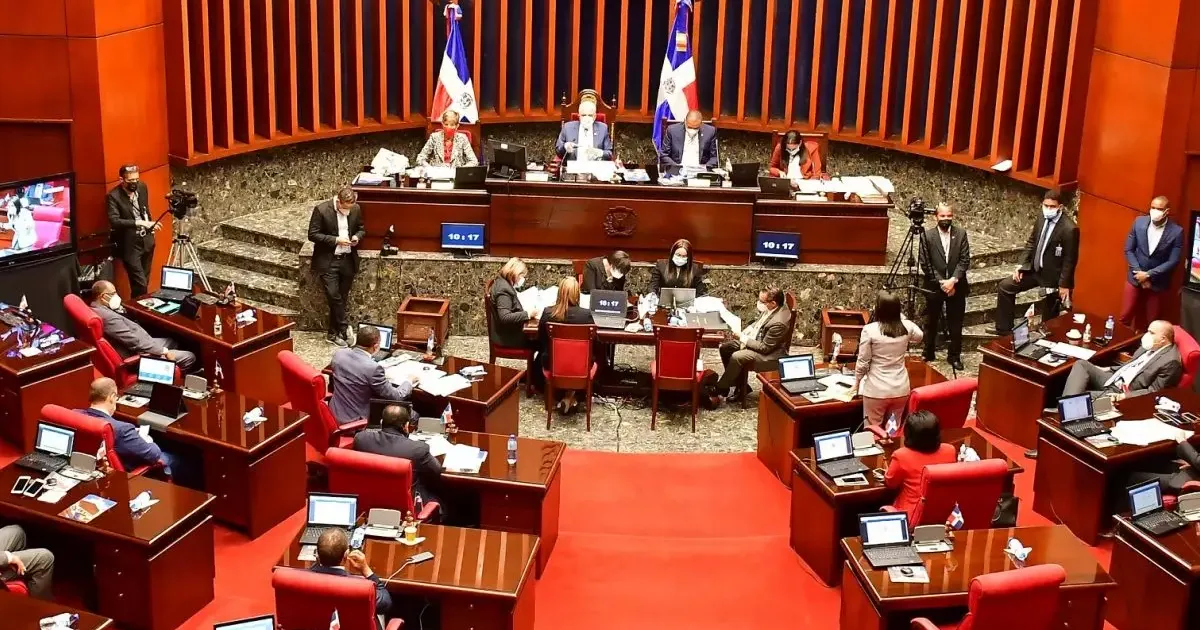
Once the registry of licensees is published, the Dominican Republic will close the door to new gambling authorizations for a decade. The exception is casinos located in hotels and tourist areas, which will be the only ones allowed to continue joining the landscape. This is one of the most significant decisions in the bill that the Senate has finished approving and which has now been sent to the Executive Branch for promulgation or observation.
The upper house gave its approval in a single reading to the changes introduced by the Chamber of Deputies, thus completing the parliamentary journey of an initiative signed by Senators Pedro Catrain and Félix Ramón Bautista. It comprises 195 articles that thoroughly reorganize an activity previously governed by dispersed regulations.
The core of the text is institutional. The General Directorate of Gambling (DGJA) is established, conceived as an autonomous and decentralized body, with its own legal personality and administrative, financial, and technical autonomy, collegiate leadership, and safeguards to prevent it from being captured by the sector it is tasked with overseeing. The regulation also gives it a bridging role between lottery bank owners and concessionaires.
The geography of gambling is also rewritten. Article 26 establishes a 500-meter perimeter around a list of sensitive points: hospitals, barracks, churches, universities, schools, childcare centers, and the headquarters of state powers, among others. No gambling establishment can open within this radius. The same measure separates a sports betting shop from a horse racing agency, while between two lottery banks, the minimum distance drops to 200 meters. Casinos are excluded from this grid.
For these venues, the filter is different. Article 47 requires them to operate with a DGJA license for ten years and exclusively within four-star or higher-category hotels. Slot machine rooms require a separate permit, with identical validity.
The digital chapter brings the most concrete novelty for operators. Only legal entities with a license from the Gambling Council will be able to operate online platforms, and the site must be registered under the .do geographical domain. Being excluded from this registry becomes a serious infraction, according to articles 75 and 147.
The sanctioning regime categorizes offenses into three levels, from minor to very serious, covering everything from license management and advertising to distances, controls, reports, illegal offerings, and anti-money laundering rules. On the other side of the board is the punishment: imprisonment in the most severe scenarios, disqualification for the business administrator, license revocation, premises closure, temporary suspension of activity, and fines.
Among those who pushed for approval, Senator Ramón Rogelio Genao defended the piece as a national law that sets rules for a sector that had been operating without control, and emphasized that from now on, there is a procedure for regularization.
The initiative had received preliminary approval in the Chamber of Deputies in July and is now in the hands of the president, who can promulgate it or return it with observations. The Dominican Republic has a broad gambling market, supported by hotel casinos, lottery banks, and sports betting shops spread throughout the territory, an universe that until now lacked a specialized regulator or a unified sanctioning regime.
Tags: Dominican Gaming Law, Directorate General of Gaming, casino licenses, online gambling regulation