Panama's lottery boosts digitalization against illegal gambling
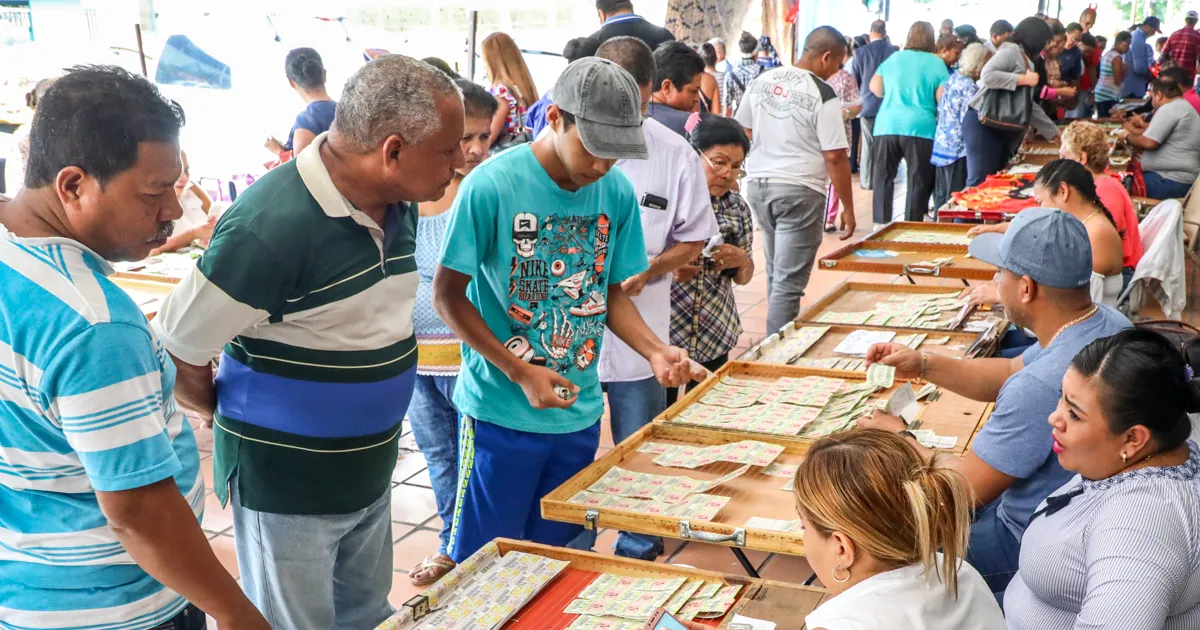
Panama's National Charity Lottery (Lotería Nacional de Beneficencia de Panamá) is preparing a technological transformation process that could progressively change the way chances and tickets are sold, at a time when the institution faces millions in losses due to the rise of clandestine sales. Its director, Isidro Carbonell, acknowledged that the organization is starting from a significant technological backwardness and anticipated that modernization will be gradual and will eventually include ticket vendors within the new scheme. In his statements, he admitted that the institution does not even have an accounting program and performs a good part of its processes manually.
The lottery itself recognizes that some of its authorized vendors have begun to adopt digital tools on their own initiative, such as ticket vendors who photograph their boards, publish them on their statuses, and receive orders and payments through transfer platforms. For Carbonell, these experiences can serve as a starting point for a broader transformation of official commercialization, in line with one of the demands of the ticket vendors' unions, who are asking to modernize the institution to compete on equal terms with clandestine networks, which have quickly adapted to new consumption habits through digital tools and electronic payments. Despite technological advancements, the director ruled out abandoning physical tickets in the short term, arguing that there is a strong consumer preference for the traditional format and that it will continue to play a relevant role for at least the next ten years.
Modernization also targets the entity's internal logistics, with the digitalization of the ticket classification and distribution process, currently carried out entirely manually by about 80 female collaborators in a room with strict security measures, a task that can take several hours before the product is ready to go to points of sale. The entity seeks to implement technology that allows for automatic classification and verification of products, with the aim of streamlining distribution and responding to one of the most frequent complaints from ticket vendors, the long waiting times to pick up tickets, in addition to updating printing and prize delivery methods.
The transformation occurs in parallel with the lottery's offensive against clandestine sales, which, according to Carbonell, accounts for about 75 percent of the institution's losses, with an estimated impact of some 175 million dollars, a figure that adds to previous estimates by the organization itself and the National Assembly that place annual losses at up to 200 million. The problem motivated the presentation of a preliminary bill that seeks to criminalize the clandestine sale of lottery in the Penal Code, instead of limiting its treatment to administrative sanctions, in order to strengthen prosecution tools and allow the intervention of the Public Ministry. Regarding the electronic lottery, whose draws were suspended after a ruling by the Supreme Court of Justice, the official reported that an audit request was sent to the Comptroller General of the Republic to verify whether the Lotto and Pega 3 games affected the traditional product.
Tags: National Charity Lottery, Isidro Carbonell, illegal lottery in Panama, lottery digitalization