An Argentine bill wants gambling to fund its consequences
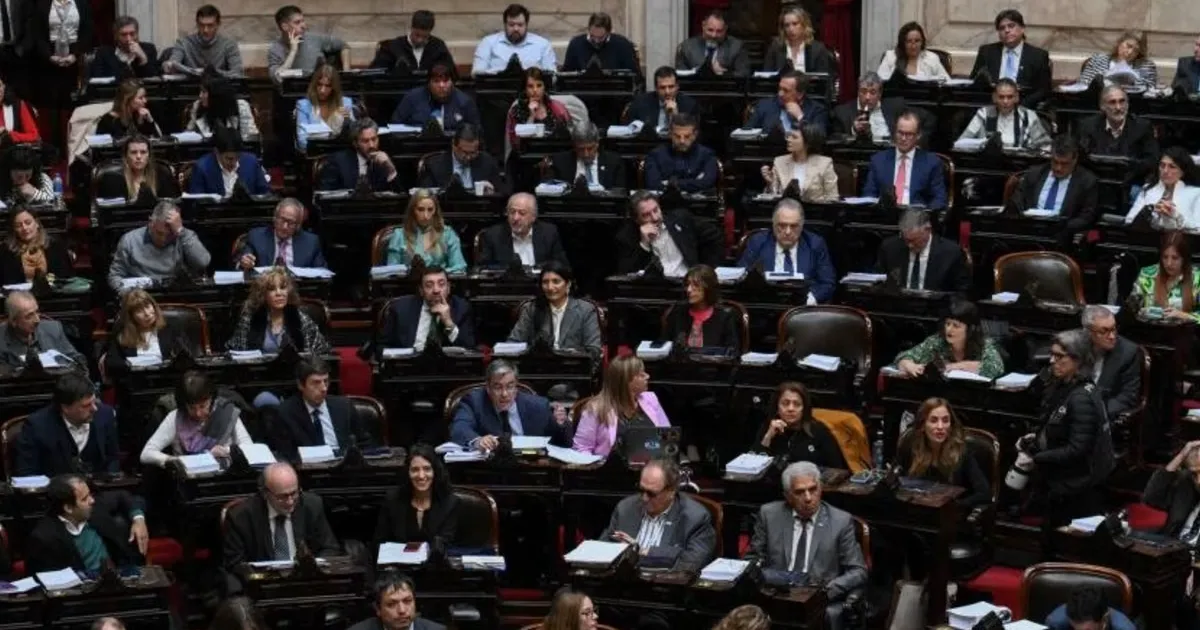
The Argentine Chamber of Deputies wrapped up the presentation stage on the issue with the fourth and final informational meeting of the joint session formed by the Addiction Prevention and Drug Trafficking Control Committee alongside the Families, Childhood, and Youth Committee, effectively concluding the hearings on the bill sponsored by Representative Victoria Tolosa Paz. The political blocs set a goal to sign a majority committee report on Thursday, November 12 at noon, alongside the Budget Committee, allowing the bill to reach the house floor before the end of the regular legislative session.
The Addiction Prevention Committee is chaired by the bill's author herself, who summarized its core objective in a single phrase: make gambling fund its consequences. In practice, the bill would draw on budget allocations or percentages already generated by taxes on betting platforms that were underspent, channeling them to agencies responsible for prevention, control, and treatment.
The technical feature that distinguishes this bill from a simple funding request is that the reallocation would be automatic. This design choice targets the root of the problem described by the lawmaker herself: the funds already existed and were allocated, but remained unspent. An automatic mechanism removes annual discretion from the transfer, distinguishing self-executing legislation from a mere authorization that must subsequently be fought over in every budget.
Regarding the destination, the wording appears to leave the door open rather than designating a single recipient. The text mentions the Instituto de Ayuda Financiera a la Acción Social or other specific implementing bodies, and within that category names the Plan Integral para el Abordaje de los Consumos Problemáticos. Reports circulating in recent days placed the funds with the IACOP, and both interpretations can coexist if the bill treats the implementing agency as an option rather than a strict mandate.
This ambiguity is no minor detail and is worth watching until the committee report is issued. The entity receiving the funds dictates the oversight process, accountability, and the actual operational capacity to deploy them; thus, the difference between one agency and another alters the practical outcome of the law, even if the amount remains identical.
The bill does, however, establish a specific floor. One quarter of those funds would be exclusively earmarked for the prevention, assistance, and support of children and adolescents affected by problematic consumption and behavioral addictions, with the lawmaker highlighting youth online gambling addiction within that category as an issue gaining significant ground on the public agenda.
The reference to underspent funds points to a specific budget line item. Tolosa Paz cited as an example what had previously been earmarked for technology agencies like ARSAT—an allocation that, according to her, saw zero execution over certain periods—and it is on this type of dormant allocation that the mechanism would operate.
Throughout the four meetings, addiction and mental health specialists, public officials, and technical experts testified before the joint committee. In the lawmaker's view, the result is a comprehensive response to a growing nationwide problem, built upon the demands of institutions, families, and grassroots organizations working directly in communities where these issues are seen firsthand.
None of this has been approved yet. Without a committee report on November 12, there will be no debate on the floor, and the legislative calendar remaining before the end of the regular session is tight, meaning next week's signature will determine whether the bill comes up for a vote this year or goes back into the queue.
A majority committee report is the formal document signed by most members of a committee and is the prerequisite for bringing a bill to the floor; without this step, the legislation cannot be voted on. The regular session of the Argentine Congress runs through November 30, and any business not addressed before that date is deferred to extraordinary sessions or to the following year. Budget underspending, in fiscal terms, describes an authorized allocation that was not spent during the fiscal year for which it was approved.
Tags: Argentina, Problem gambling, Chamber of Deputies, Problematic consumption