Brazil banned online gambling without prior impact studies
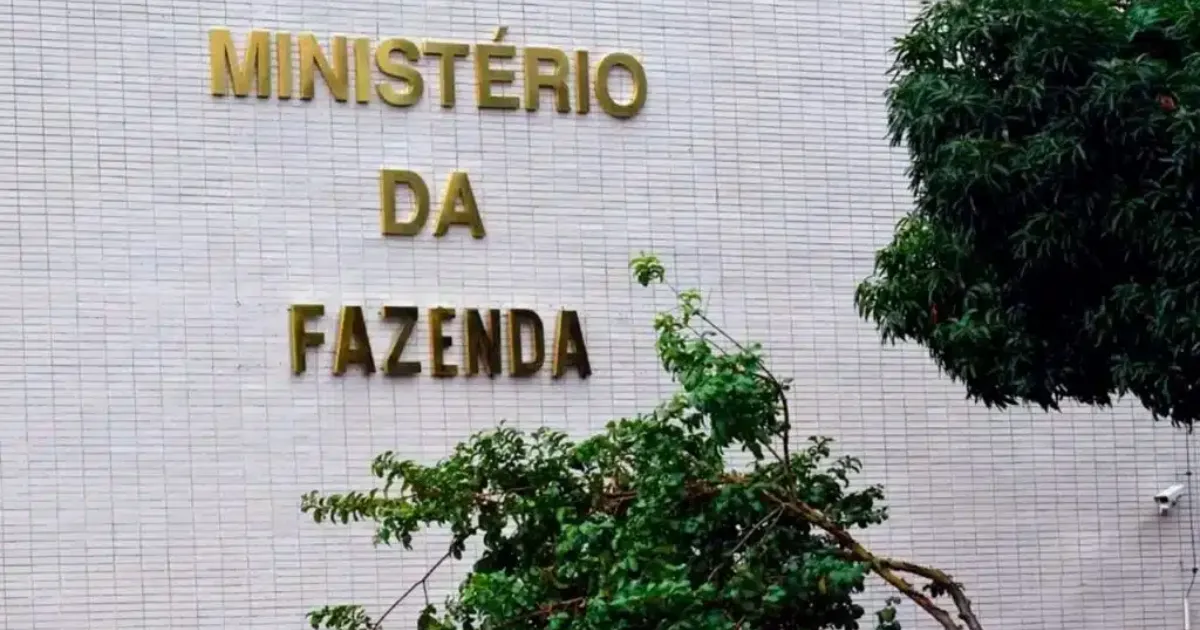
Brazil's Ministry of Finance replied that it found no studies dedicated to measuring the economic, tax, regulatory, or social effects of totally or partially banning online gambling. The response is dated September 24, one day before Luiz Inácio Lula da Silva signed Provisional Measure 1,394/2026, which shut down the market.
The request that prompted it had been submitted on September 20, five days before the signing, and was broad: it asked whether the government had commissioned or produced economic and regulatory assessments, legal opinions, technical notes, or studies regarding what would happen if advertising, online casinos, and fixed-odds betting were banned. The Ministry of Finance added a jurisdictional clarification: the Secretariat of Prizes and Bets operated within the current legal framework and its remit was to authorize, regulate, supervise, and inspect the licensed market, with no mandate to produce broad, forward-looking assessments regarding a potential ban.
Three other requests, bearing the same September 20 date, extended the search to additional agencies. The Ministry of Planning and Budget replied that it had never assessed changes to public betting policy nor the state of the sector between January 1, 2025, and the date of its response in October 2026. The Center for Tax and Customs Studies of the Receita Federal answered on September 29, four days after the MP was published, stating that it only had two technical notes on the matter, both drafted prior to the ban, and offered no new estimates on lost tax revenue for the state.
The response from the Casa Civil is the most striking given its institutional role. The body that coordinates the drafting of provisional measures listed meetings and administrative paperwork, without any prior assessment of what the ban would trigger, and dodged the direct question of whether it had requested, received, or read studies from other departments.
Combined, the four responses cover the key functions that should have produced the technical dossier. Finance handles tax and fiscal policy, Planning handles the budget, the Receita Federal is the revenue collector, and the Casa Civil drafts the text. None of the four could produce a comprehensive assessment of the effects of a decision that revokes active authorizations and shuts down a market regulated by Law 14,790/2023.
Compounding this void was a conflicting decision to restrict the records that do exist. The documents the Ministry of Justice used to draft MP 1,394/2026 have been sealed for five years. An investigation by JOTA revealed that the classification was formalized on September 24, one day prior to the signing, signed by Victor Oliveira Fernandes, the ministry's Secretary of Digital Rights, after the news outlet requested the records under the Access to Information Act. Under this restriction, the files will remain sealed until September 2031.
The rationale cited by the official is of the utmost gravity. He argued that releasing the material could endanger public health, safety, or lives, while also posing a severe risk to the country's monetary, economic, or financial stability.
This creates a contradiction that is difficult to reconcile on the record. On one hand, the government claims it has no studies on the economic impact of the measure, while on the other, it asserts that releasing the documents would jeopardize the country's economic stability. While both claims might be formally true because they refer to different documents, together they leave the state without any public analysis explaining why shutting down the market was the right choice.
The Casa Civil also closed its own doors. On October 29, it denied BBC News Brasil access to the studies, reports, and legal opinions backing the presidential decision, invoking attorney-client privilege under the Legal Profession Statute. According to its reasoning, this rule shields documents drafted by the Attorney General's Office (Advocacia-Geral da União) and presidential legal counsel, and it applied the same standard to the entire administrative record on the grounds that those papers had passed through its legal department. Transparency experts challenged this interpretation, arguing that, taken to extremes, it permanently places information of public interest out of reach without a defined timeline.
What turns this into a legal challenge rather than merely a political one is the court battle already underway. The arguments gaining traction against the ban are legitimate expectations, reasonableness, and proportionality—all three of which hinge on a technical record. A federal regional court has already reinstated an operator's license on these grounds, and Supreme Court Justice Luiz Fux framed the high court's public hearing in similar terms. The absence of a documented impact study deprives the state of the standard evidence it needs to defend the measure as necessary and appropriate.
In the middle of this lies a concrete sum hanging in the balance. Operators paid R$2.5 billion for licenses to operate, approximately US$450 million at the exchange rate cited (around 5.56 reais per dollar). At R$30 million per license, that total corresponds to roughly 83 authorizations and equates to 22.5% of the R$11.12 billion the sector contributed in taxes between January and September of this year. Companies and industry associations have already signaled they may seek court orders for refunds, arguing that the revocation of licenses fundamentally altered the conditions under which they invested.
Trade associations add to that list the surge in the illegal market, falling tax revenues, and the impact on jobs and existing commercial commitments. For now, what the official responses leave unanswered is what assessments were conducted prior to making the decision, which agencies took part in the review, and whether any technical department warned of negative repercussions.
The Access to Information Act is the Brazilian law that requires public agencies to disclose information requested by any citizen, with time-limited classification exemptions. Law 14,790/2023 regulated fixed-odds betting in Brazil and established the licensing framework that the provisional measure suspended. The Casa Civil is the presidential body responsible for coordinating government action and drafting the legislation signed by the president.
Tags: Brasil, provisional measure, transparency, prohibition