Brazilian veto could remain in effect until March 2027
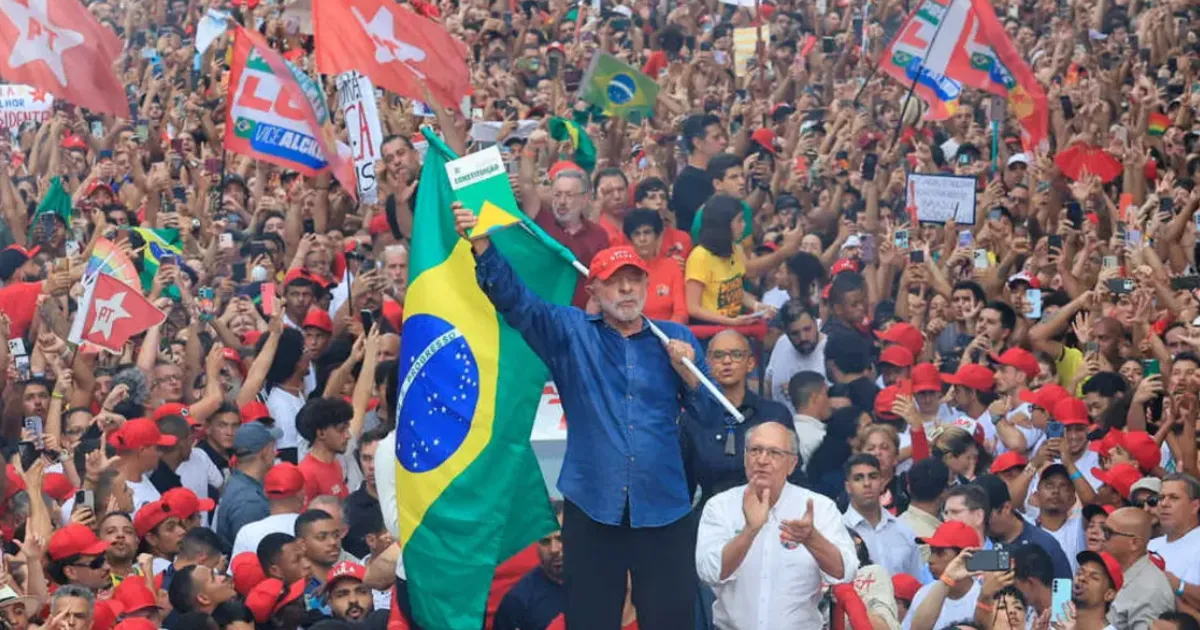
Luiz Inácio Lula da Silva won the election on Sunday, October 25, but that resolves nothing regarding the betting market. Provisional Measure 1.394/2026, published on September 25, banned the offering, operation, and advertising of betting in Brazil, but its fate still depends on two separate processes that no election result can alter on its own: approval by the National Congress and a constitutionality review by the Supremo Tribunal Federal.
The first detail worth correcting is the timeline. The Constitution grants a provisional measure an initial validity of 60 days, extendable only once for an equal period, meaning the review window can reach up to 120 days. However, the clock stops during parliamentary recess, so simply adding 120 days to September 25 is not enough. That calculation would point to January 23, 2027; factoring in the recess suspension, the estimated expiration date moves to March 5, 2027. That represents 161 consecutive days from publication—an additional 41 days or so, which is precisely the duration of the year-end recess in the Brazilian Congress.
The second detail clarifies the status of the proceedings. The composition of the joint committee tasked with reviewing the text has already been established, but the body has yet to convene or appoint a president or rapporteur; thus, the issue is not its membership, but rather its operation. The deadline for submitting amendments closed on October 14, following an extension granted by the leadership of the National Congress Board to ensure lawmakers' participation after the first round of voting. More than 90 proposals were submitted.
Among the amendments, three recurring requests stand out: maintaining sports betting, safeguarding sports sponsorship contracts and already granted licenses, and establishing a transition period. Two proposals give concrete form to this last idea. Marcos Braz proposes allowing brand displays on jerseys and in stadiums under existing sponsorship contracts for 24 months. Beto Preto advocates for keeping granted authorizations in place until the end of their validity periods, without renewal or extension. Neither proposal changes anything yet: to alter current regulations, the amendments must be approved through the legislative process.
In the meantime, Article 4 of the text enables a provision that already has a set date. Licenses may be suspended 30 days after the measure's publication—meaning from October 25, the very day of the runoff election. Each authorization was granted upon payment of R$30 million and carried a five-year validity; the suspension takes effect without any refund of those amounts, even before Congress finishes reviewing the measure. This combination of fees paid, terms cut short, and unrefunded capital is the most concrete basis for the legal certainty argument raised by the sector.
The judicial front is the one likely to move first. Luiz Fux was appointed rapporteur for the direct actions of unconstitutionality filed by industry bodies, including the Associação Nacional de Jogos e Loterias and the Instituto Brasileiro de Jogo Responsável, which are seeking an injunction to suspend the measure based on three arguments: the harm caused by an unexpected shutdown of operations, the breach of legal certainty, and the risk of bettors migrating to black-market platforms. The Justice had scheduled the decision for after the runoff. Viewed alongside the legislative calendar, the sequence is clear: if the parliamentary path can stretch into March and the committee has not even met, the market's first real resolution will likely come from the Supremo Tribunal Federal rather than Congress.
Football is the sector gauging the cost most precisely. In 2025 alone, sportsbooks invested more than R$1 billion in the top tier of the Brasileirão, and clubs such as Flamengo, São Paulo, and Fluminense went as far as using their jersey space to criticize the measure. An injunction suspending the ban and a transition amendment like Braz's address the same issue through different paths, with the difference being that the former could arrive within weeks, while the latter hinges on a body that still lacks a president.
What did change on Sunday was the negotiating landscape, not the rule itself. Congress can approve, amend, or reject the text, and it can also allow it to lapse upon the expiration of the constitutional deadline, which would strip the ban of its effect regardless of what the Supreme Court decides. The new composition of the Legislature influences those negotiations, but the election result alone does not alter a single line of the measure.
Provisional Measure 1.394/2026 was published on September 25, 2026, shutting down Brazil's regulated fixed-odds betting and online casino market, which had begun operating in 2025 under the supervision of the Secretariat of Prizes and Betting of the Ministry of Finance. A provisional measure carries the force of law upon publication but requires legislative enactment, and direct actions of unconstitutionality are the mechanism through which the Supremo Tribunal Federal reviews the validity of a statute against the Constitution, holding the authority to suspend its effects through an interim ruling prior to a final judgment.
Tags: Brasil, provisional measure, STF, Congress