Lula says two-thirds of the decision has already been made
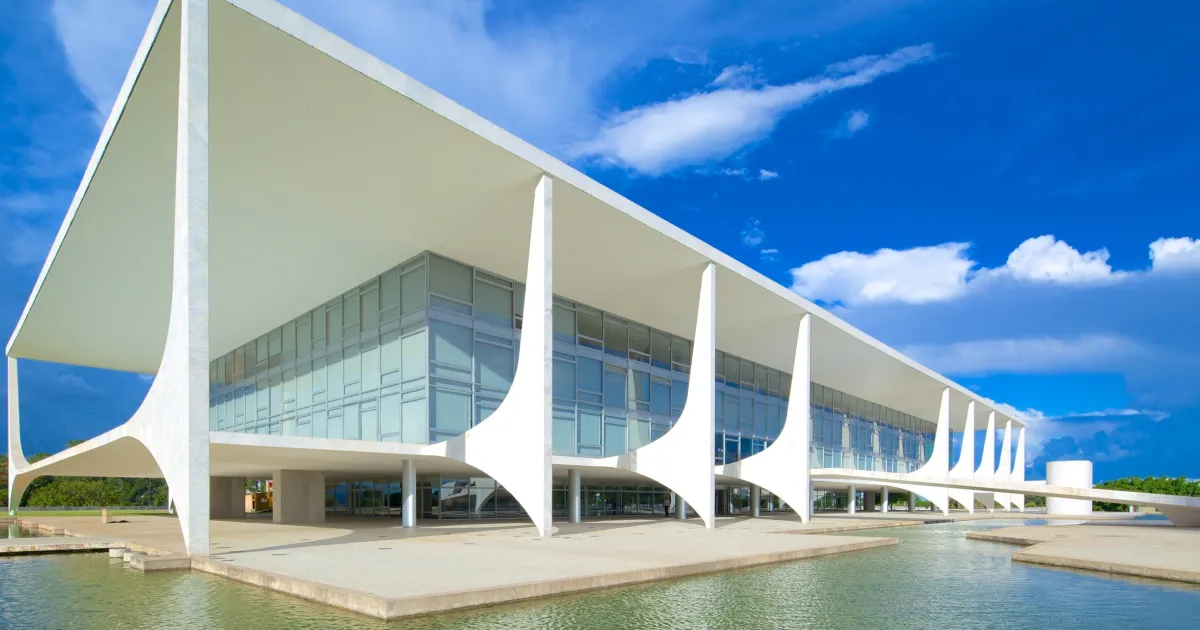
The most telling aspect of the meeting Luiz Inácio Lula da Silva led on Tuesday, September 1, at the Palácio do Planalto was who was not there. Absent was the Secretariat of Prizes and Betting of the Ministry of Finance, which is the body that regulates and oversees the market. Also absent were the National Association of Games and Lotteries and the Brazilian Institute for Responsible Gambling, which represent licensed companies. Four hours of debate on the future of online betting without the regulator or the regulated in the room.
Upon leaving, the president said he had two-thirds of the decision already made, without clarifying which one. He did not confirm whether prohibiting the activity was among the options, although days earlier he himself had said it should be prohibited. He explained that he convened the meeting to listen to society before deciding, and not to decide solely based on his own interpretation.
The official diagnosis was that what has been done so far is not enough. This was stated by Miriam Belchior, Chief Minister of the Civil House, when she pointed out that the Government had focused on regulating and overseeing, but that this approach was not yielding results.
The numbers presented explain the urgency. More than 1.2 million people have already requested to block their access on the federal self-exclusion platform. On the illegal front, 37 fintechs were notified for financial movements linked to clandestine betting, and Apple and Google were also contacted regarding the presence of unauthorized platforms in their stores. Investigations by the Ministry of Finance, together with the Federal Police, point to schemes that would have moved up to 50 billion reais, about 9.7 billion dollars, with connections to organized crime.
The Minister of Health, Alexandre Padilha, framed the issue as a health problem and detailed what the public system has already set up. The ministry developed a guide to identify and treat cases, opened 20,000 vacancies to train professionals, and had to open another 20,000 because demand exceeded expectations. Psychological care went from about 600 monthly consultations to a capacity of 100,000, with contracts that could reach two million consultations. Padilha also proposed treating betting advertising as Brazil once treated tobacco advertising, which is the precedent that made the country a global reference in that fight.
The most uncomfortable position was that of the Minister of Sports, Paulo Henrique Cordeiro, whose portfolio is among the most benefited by money from the sector. He acknowledged that about 500 million reais, around 96.6 million dollars, had already been transferred to sports in the first semester, and yet he said that after hearing the impacts discussed at the meeting, he found it difficult to defend the activity. He anticipated that he could be crucified by sectors of sports for saying so, and avoided commenting on a possible prohibition, which, in his opinion, is up to the president to define.
A similar warning came from the business sector. Leandro Domingues Teixeira, financial vice president of the National Confederation of Commerce, said that business owners began reporting customers who stopped paying their bills and cut consumption due to betting. His entity called for more state control, fewer authorized platforms, persecution of clandestine ones, caps on betting amounts, and stricter advertising rules, and described prohibition as an extreme but necessary decision.
Lula concluded by returning to family finances. He linked the growth of betting to his own income policies, the increase in the minimum wage, and the expansion of the non-taxable minimum, and argued that part of that money ends up being gambled. He added that gambling debt often remains hidden because those who have it are reluctant to say where it comes from.
The Government will continue discussing the issue, and there will be a new meeting. Regulated market entities, including ANJL, the Association of Women in the Gaming Industry, and ABRAJOGO, questioned the unilateral nature of the debate and demanded to be present in future instances, with the discussion based on technical and official data.
Tags: Lula da Silva, Miriam Belchior, Alexandre Padilha, Paulo Henrique Cordeiro, ANJL