Lula says he has decided to end betting and looks to Uruguay
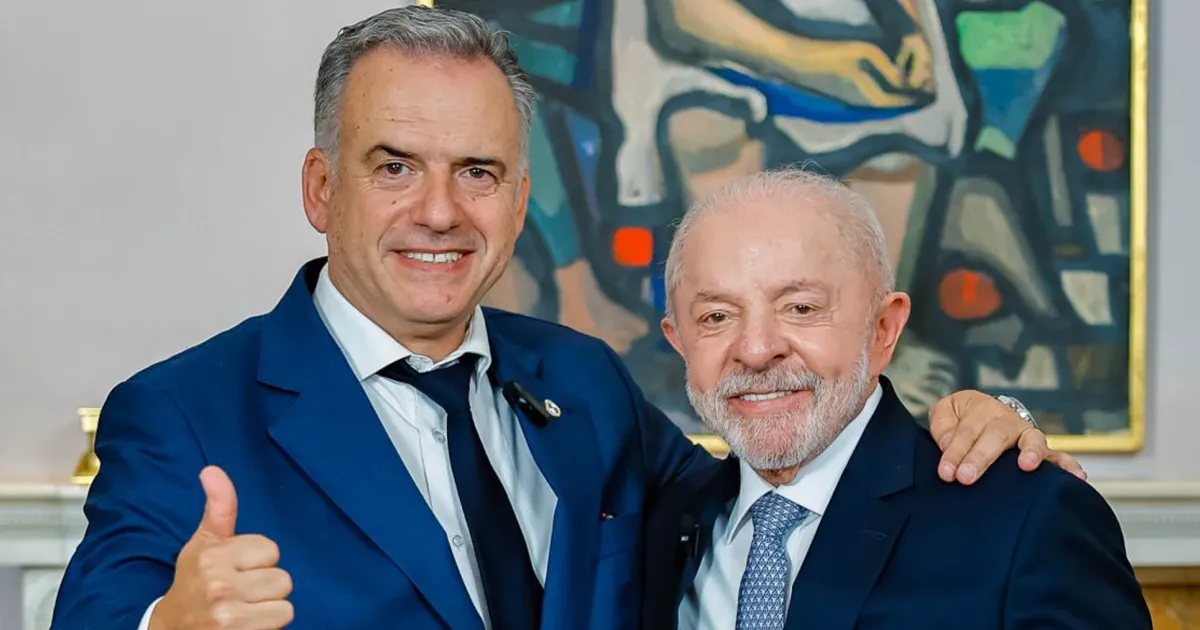
Brazil looks south. Luiz Inácio Lula da Silva expressed to Yamandú Orsi his interest in understanding how the Uruguayan online betting system works during their bilateral meeting on Monday, September 21, in New York, alongside the high-level week that the United Nations General Assembly holds every September. The meeting covered several topics on the common agenda, but it was the Brazilian president himself who later stated that they had also discussed the neighboring country's market.
The inquiry is no coincidence. According to Reuters, the Brazilian government is preparing a measure that would remove online casinos from circulation and leave sports betting in place, a selective cut rather than a complete shutdown. The text was still under evaluation when the two presidents met.
This cut closely resembles what Uruguay already applies. Across the river, offering online gaming or betting requires prior state permission, and any platform without it is prohibited. Law No. 19,535, from 2017, added tools to combat clandestine offerings: site blocking, financial flow blocking, and prohibition of advertising, sponsorship, and commercial communications for unauthorized games. Decree 366/017 regulated this package. The National Directorate of Lotteries and Quinielas (DNLQ) reports that Supermatch is the country's only authorized platform and that as of July 29, 2026, 1,730 sites had been blocked. The distinction made by Uruguayan law is the same one Brazil is evaluating: poker, roulette, and slots cannot be offered digitally, while land-based casinos continue to operate with the permits contemplated by law.
Behind closed doors, the president no longer speaks conditionally. On Friday, the 18th, at a campaign event in Guarulhos, he announced that his decision was already made and that he would put an end to betting, even if industry entrepreneurs preferred otherwise, because he owns nothing but is the President of the Republic. There, he recounted speaking with people indebted due to gambling and mentioned the case of an entrepreneur who has accumulated over BRL 2 million in debt, about USD 391,000, due to his addiction.
He also put a figure on the table that deserves clarification. Lula spoke of BRL 62 billion moved by betting during 2025, about USD 12.1 billion, and argued that foregoing taxes weighs less on him than sacrificing the lives of the poorest. This number comes from a bulletin by the National Committee of State and Federal District Finance Secretaries (Comsefaz), and the sector disputes it due to its methodology and because it mixes regulated and illegal markets. Official figures from the Secretariat of Prizes and Betting (SPA) point to a different scale: licensed companies moved nearly BRL 37 billion last year, about USD 7.24 billion.
The clubs' manifesto also did not sway him. The teams had warned that prohibiting the sector would be a death blow to Brazilian football, with Corinthians, Flamengo, Palmeiras, Cruzeiro, Santos, Vasco da Gama, and Grêmio among the signatories. Lula dismissed this argument as nonsense and recalled that clubs were world champions long before betting sponsorships existed.
The calendar explains part of the tone. The ruling party's electoral propaganda has already incorporated the issue with videos of the president alongside people with online gambling addiction, and the campaign views the offensive as an opportunity in a close contest with Flávio Bolsonaro (PL). In the same week as the event in Guarulhos, Lula announced a 15 percent increase in Bolsa Família and the distribution of weight-loss injectables through the Unified Health System (SUS).
Within the government, the rift remains open. Folha de S. Paulo reported that the Ministry of Finance opposes a ban and estimates a loss of BRL 12 billion in revenue, about USD 2.35 billion. Minister Dario Durigan had already said in June, before the campaign, that he prefers very strict regulation and fears that a general shutdown would push bettors towards an illicit and uncontrolled market. On the other side is Sidônio Palmeira, head of the Secretariat of Social Communication (Secom), identified as the main proponent of the anti-betting discourse.
Companies are already hedging their bets. The National Association of Games and Lotteries (ANJL) recommended that its associates review their advertising, marketing, and sponsorship agreements, a warning described in its internal note as strictly preventive and aimed at enabling them to measure and manage the financial and operational effects of a potential change in rules.
Brazil authorized its fixed-odds betting market on January 1, 2025, under federal licenses granted and supervised by the SPA. Uruguay, in contrast, never opened online gaming to private operators and concentrates the legal offering on a single state platform, a contrast that explains why the model now appears as a reference for those within the Brazilian government who want to restrict the market without completely dismantling it.
Tags: Luiz Inácio Lula da Silva, Uruguayan betting model, online casino ban, Comsefaz