The betting MP adds 48 amendments and a deadline until the 13th
The provisional measure that banned online gambling in Brazil had accumulated 48 amendments from deputies and senators by the night of Tuesday the 6th, and more may still be added. The presidency of the National Congress Board extended the submission deadline until October 13th, after the first round of elections, arguing that this would guarantee the full and equal participation of parliamentarians in legislative activity.
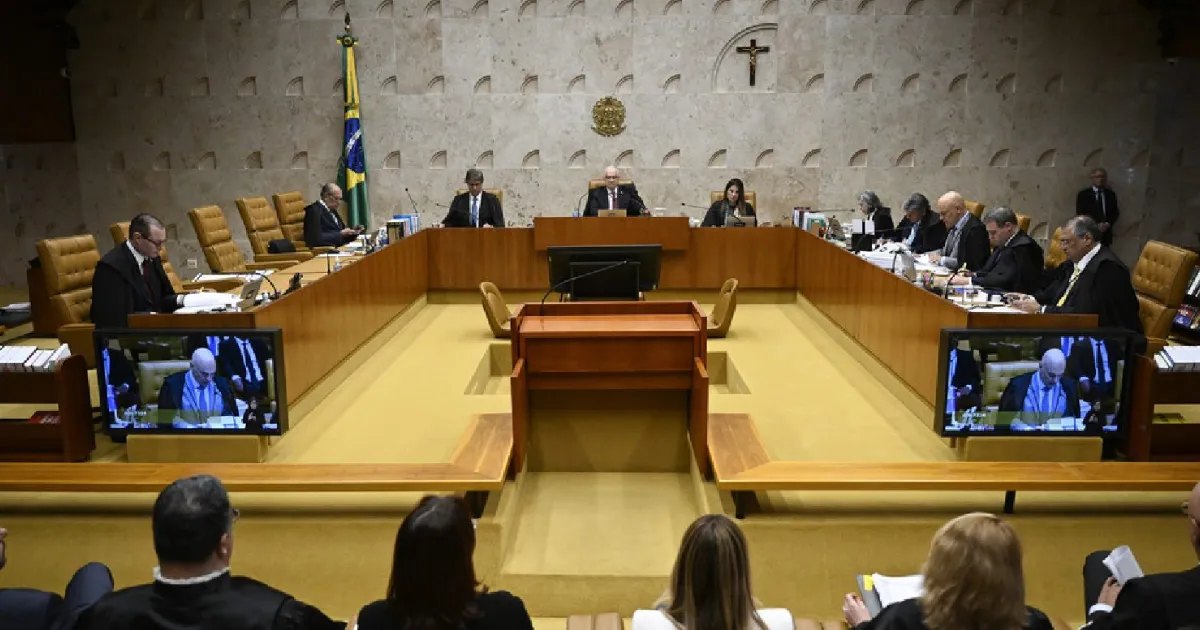
The process, however, has no set date. The leadership of Congress has not defined the calendar for analyzing the text, nor have the parliamentarians who will chair and report on the mixed committee been appointed. In parallel, the Supreme Federal Court received a series of actions against the measure, and Minister Luiz Fux was put in charge of the reporting.
The amendment by Deputy Bebeto, from the PP of Rio de Janeiro, summarizes where the pressure is coming from. It proposes removing sports betting from the prohibition and, instead, setting restrictions on sector advertising, with specific rules on the purchase of stadium naming rights. In his justification, the deputy argues that a broad prohibition does not eliminate demand and only pushes bettors towards unauthorized platforms located abroad.
Other proposals point to different areas. Deputy Tabata Amaral, from the PSB of São Paulo, wants the Unified Health System to guarantee comprehensive care for people with gambling-related problems, as well as their family members. A group of parliamentarians requested the return of part of what companies paid for operating licenses, and there is also an initiative that establishes a transition period for advertising contracts between bookmakers and football clubs.
The most numerous current is the one that wants to exclude the sports segment. Among the authors of amendments in this regard are Marcos Braz, from the PSDB of Rio, Julio Lopes, from the PP of Rio, Pedro Aihara, from the PP of Minas Gerais, Felipe Francischini, from Podemos of Paraná, and Julio Arcoverde, from the PP of Piauí. In the Senate, Marcos Pontes, from the PL of São Paulo, and Hiran Gonçalves, from the PP of Roraima, presented proposals with the same objective. This separation between modalities, maintaining fixed-odds sports betting and prohibiting online casino, has the backing of Senator Flávio Bolsonaro, who is contesting the second round of the presidential election.
Flávio Bolsonaro himself again criticized the measure, citing legal uncertainty. According to the PL candidate, Lula attacked legal certainty, clubs, and various companies, illustrating this with the example of a merchant selling football jerseys anywhere in the country who has to discard their stock because the garment features a bookmaker's advertisement. The senator argued that situations must be distinguished, because illegal betting must be genuinely combated and is not being overseen by the current government. He also recalled that companies paid out approximately R$30m for grants valid for five years to operate under the then-current rules, and stressed that, as it is a provisional measure, it could expire and cease to exist in four months.
The mechanism explains this warning. The measure gained the force of law upon its publication, but its validity is temporary, meaning Congress must analyze and vote on the text within the constitutional period of 120 days for the rules to become permanent. During this process, parliamentarians will also examine each of the submitted amendments.
The rate of accumulation is the data to follow, because the amendments went from just over twenty to 48 in a matter of days, and the deadline only expires on October 13th, meaning the number will still grow. More revealing is where the majority converges, as the separation between sports betting and online casino appears both in the largest block of amendments and on the platform of the candidate who won the first round, which outlines the most probable landing scenario if the measure reaches the floor. Countering this is the absence of a calendar and authorities in the mixed committee, which keeps the entire process dependent on a political definition that will not be made before October 25th.
Tags: MP 1.394, amendments to the Brazilian Congress, Flávio Bolsonaro, Luiz Fux