The gambling ban leaves Lula without electoral gain and with less cash
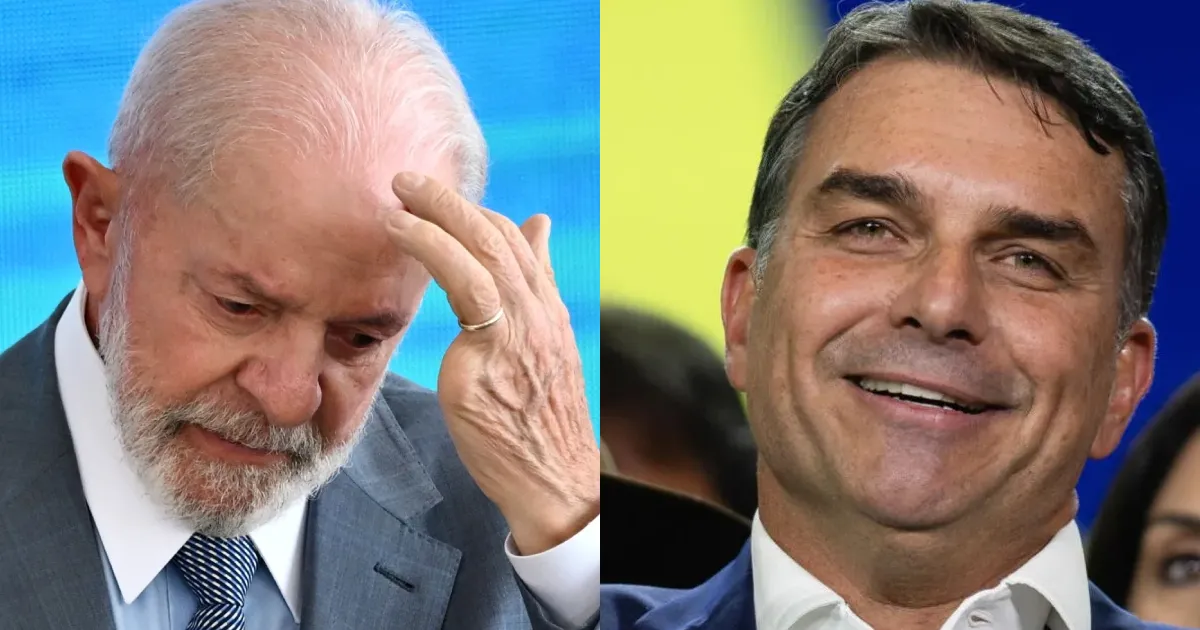
The closure of online gambling left the Brazilian government with a political cost that it is now dragging into the runoff election. The measure was enacted nine days before the elections, with the calculation that it would improve the ruling party's position, but Flávio Bolsonaro finished first, Congress is already working to dismantle it, and the Supreme Federal Court has requests for suspension on its desk.
The reaction on social media was immediate and was registered by the Workers' Party's own campaign monitoring. Several influencers pushed for a strategic vote in favor of Flávio Bolsonaro in retaliation for the shutdown of the regulated market. Adding to this discontent is the technical closure set for midnight on October 5, when portals go offline and the legal deadline expires for more than 28.6 million banked users to withdraw the R$1.450m (US$260m) still credited to their gaming accounts.
Within the presidential circle itself, the decision never had full consensus, according to press reports citing sources from Planalto. Only two voices pushed for the total ban: one was from the Minister of the Secretariat of Social Communication, Sidônio Palmeira, and the other from the First Lady, Janja da Silva. At the political table, the rest judged it to be mistaken and disproportionate, with warnings about the blow to sensitive sectors, especially football clubs, and the lost revenue. Lula nevertheless opted for the ban.
The Ministry of Finance had set the bar even higher. With the polls already open, Minister Dario Durigan described the elections as an unambiguous plebiscite on whether the activity would continue or not, and stated that the electorate would choose between the Executive's veto and the opposition's stance, which favored maintaining regulated gambling. Measured by that rule, the result was adverse. Lula closed the first round 2.2 million votes behind and with a proportion of votes almost identical to what it was before the measure was published. Flávio Bolsonaro called it populist, electoralist, and hypocritical, and anticipated that, if he wins on October 25, he will reinstate fixed-odds sports betting and limit the restriction to online casino.
The fiscal cost of the move is the other open front. Planalto deactivated a market that the same Government had regulated and to which the Budget Law for 2027 allocated R$6.690m (US$1.200m) in revenue. The Federal Revenue Service's records describe a larger base, R$9.950m (US$1.900m) in fiscal revenue during 2025 and R$8.747m (US$1.670m) until July 2026, and auditors projected a record close to R$16.000m (US$3.000m) by the end of the fiscal year. The Government opened this gap without obtaining the electoral advantage it sought in return.
In the National Congress, the provisional measure lost viability as the ruling party weakened. The text has accumulated more than 26 amendments, most of them aimed at removing sports betting from the scope of the prohibition and establishing a transition that preserves sponsorship contracts with sports. If the chambers do not validate it within the constitutional deadline, the prohibition expires on its own, and the previous framework becomes effective again.
The judicial route represents the most immediate threat. The Supreme Federal Court is analyzing submissions from the National Association of Games and Lotteries and the Brazilian Institute of Responsible Gambling, which request a precautionary suspension because there was no constitutional urgency to justify the instrument, because no prior technical studies were produced, and because the norm harms the legal certainty of those who have already paid for five-year licenses.
The practical effect of the shutdown will be known before any of these definitions. With licensed sites out of circulation from tonight, the demand that the regulated market had captured becomes available to unlicensed operators, a segment that the industry itself estimated at around 41 percent of Brazilian online gambling before the prohibition. The Government enters the second round without the revenue, without the electoral benefit, and with the concrete possibility that Congress or the Supreme Court will return the market to it in weeks, albeit with the worst actors already established within it.
Tags: Brazil betting ban, MP 1.394, Flávio Bolsonaro, Supreme Federal Court