Coljuegos upholds the new RIC and rejects industry requests
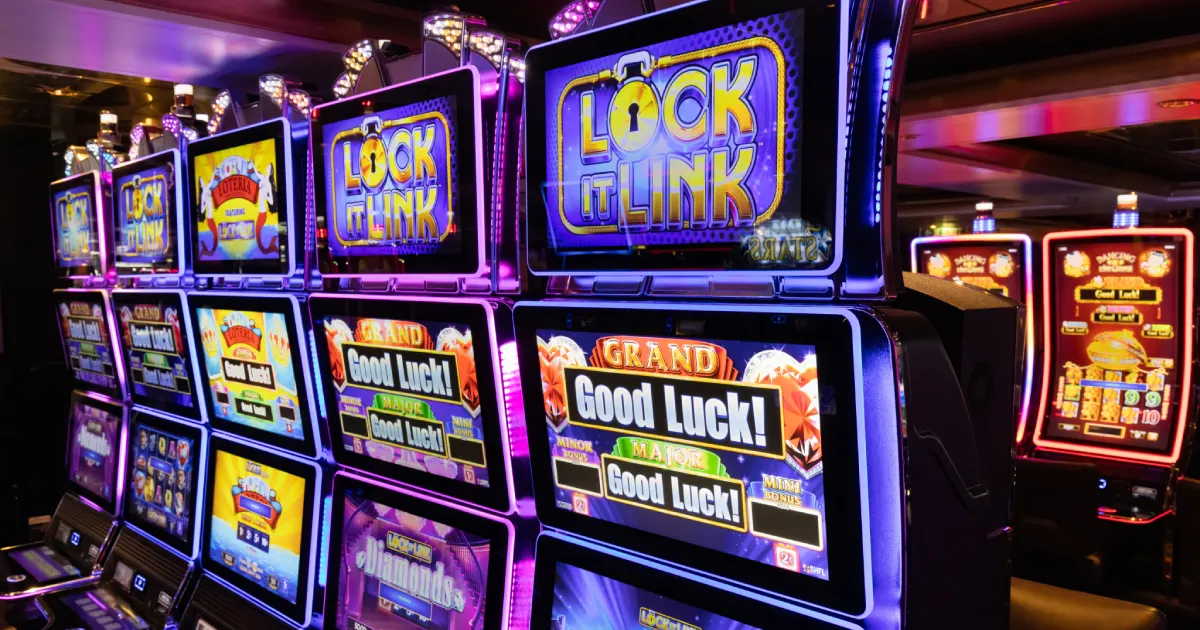
Coljuegos established its position regarding the observations received during the participation process on the draft project that modifies the regulation of the Single Registry of Importers and Marketers of electronic slot machines and gaming elements, with a response that maintained the central structure of the proposal and rejected a good part of the sector's requests. One of the main points of discussion was the possibility of establishing controls before machines enter Colombian territory, since, in response to the request to incorporate a mandatory pre-registration for each import operation, the regulator declared it inadmissible, arguing that the objective is to move towards a general authorization of the registry, with subsequent controls and reporting obligations, while a prior mechanism for each operation would turn it into a prior license.
The entity also maintained that it does not have customs powers, since the initial control of the entry of goods corresponds to the tax and customs authority, with which it maintains an exchange of information to verify nationalized machines and elements, in order to maintain control over traceability without assuming competencies of the foreign trade regime. With the same criterion, it rejected requests to require, before import, the recognition of manufacturers and brands, homologations, specific certifications for used or reconditioned machines, and environmental controls, considering that this set of prior requirements would distort the registry. The proposal to subject software, firmware, and other logical components to the same reporting obligations as physical parts also did not prosper, as the regulator argued that these elements have a dynamic nature, can be updated or activated remotely, and must be controlled through certification mechanisms and the online connection system.
Where there were relevant modifications was in the sanctioning regime, in which Coljuegos accepted observations aimed at reducing tolerance for recidivism and limiting the effects of voluntary remediation. The new wording establishes that the cancellation of the authorization may occur when the holder reoffends in late compliance on more than two occasions during the validity of the authorization, and conditions the possibility of refraining from sanctioning or applying a warning for a first infraction on the traceability of the report not having been lost. The regulator also eliminated a clause that allowed for graduating sanctions according to criteria such as seriousness, intent, good faith, or impact on health sector revenues, thus opting for a more objective scheme, with a three-month suspension for certain late non-compliances and the cancellation of the authorization for omissions or recidivism in the foreseen cases.
Regarding traceability, Coljuegos accepted that the reporting duty could not be limited to sales when the project contemplates other forms of disposal or possession of machines, so it adjusted the articles to include leases, loans for use, leasing, renting, and other modalities, with a period of ten business days to report these operations, and corrected procedural aspects with the incorporation of an evidentiary stage of up to ten business days. In contrast, it defended the requirement of financial capacity to access the registry, considering the certification of minimum gross assets endorsed by a public accountant or fiscal auditor sufficient and rejecting the incorporation of additional indicators for implying disproportionate administrative burdens. Finally, several observations presented by Sora Lawyers were deemed untimely for having been filed on August 5, one day after the closing of the participation period, so they did not receive a substantive pronouncement, in a scenario where the central structure of the new registry remains practically intact and the main adjustments are concentrated on the way operations are reported and on a more objective sanctioning regime.
Tags: Coljuegos, Single Registry of Importers and Marketers, electronic slot machines, sanctioning regime