Honduras discusses a player protection law
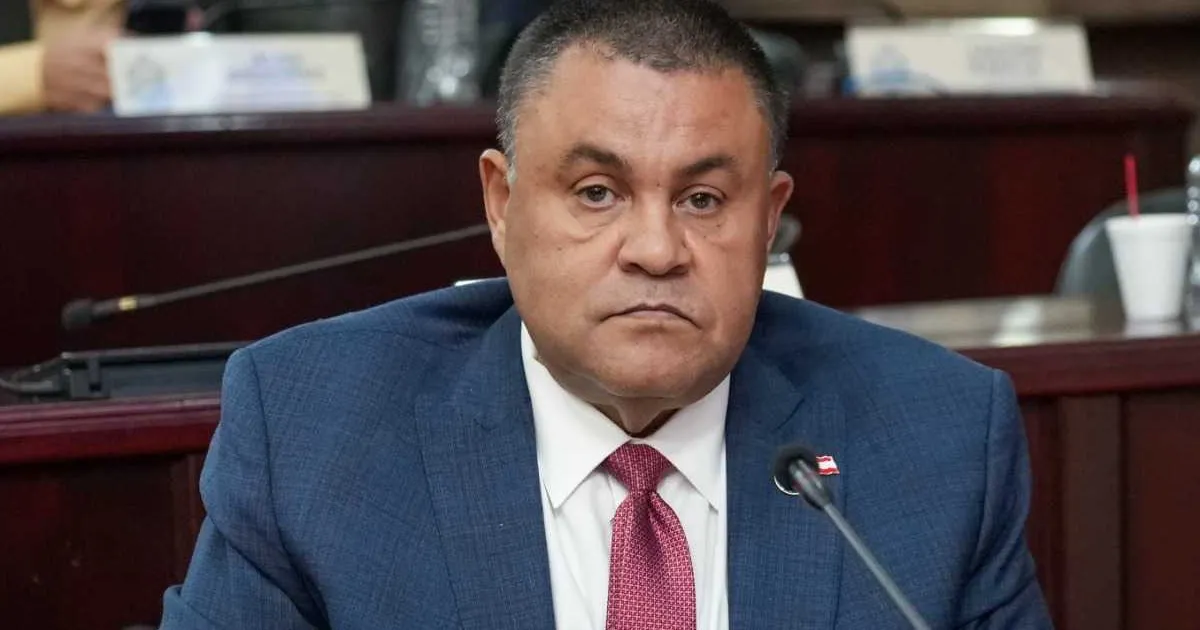
That a family does not lose their home at a gaming table. That is the objective that Congressman Carlos Umaña placed at the center of the Player Protection and Responsible Gambling Bill he presented in Honduras, an initiative aimed at limiting the economic consequences of problem gambling on family assets.
The most innovative tool is self-exclusion with two entry points. One is voluntary: the player himself requests to be denied access to establishments. The other goes through the courts, with a mechanism for a judge to prohibit certain individuals from entering in specific situations. This was described by the legislator on his X account, where he spoke of innovative legislation capable of self-excluding compulsive gamblers voluntarily or by court order.
The scope of the text is land-based. It covers casinos, slot machine halls, and any other venue where money is gambled.
There is an additional point that Umaña highlighted outside the articles, which refers to credit. The congressman questioned that some establishments accept credit cards for betting, because this modality turns a loss into a debt.
The project is in an initial stage and still depends on the treatment given to it by Congress, so the specific mechanisms may change along the way.
Honduras has been discussing gambling regulation for years without closing the issue. In 2024, a preliminary draft had been presented to regulate online casinos, supported by the argument of taxes and employment. This initiative comes from the opposite direction: instead of opening the market, it seeks to provide safeguards for the existing one, a different sequence from other countries in the region, where player protection tools usually arrive within the same package that enables the activity.
Tags: Carlos Umaña, Player Protection Act, self-exclusion, gambling regulation in Honduras