Panama wants to criminalize illegal lottery
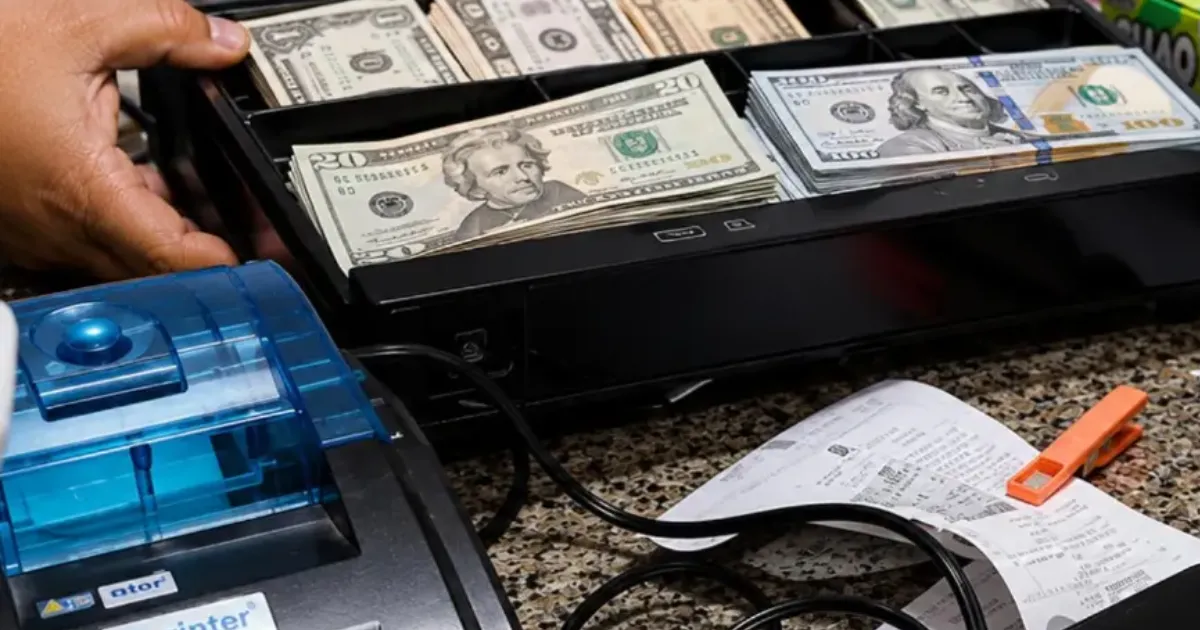
Panama wants selling lottery tickets outside the system to cease being an administrative offense and become a crime. Two preliminary drafts from the National Charity Lottery (Lotería Nacional de Beneficencia) are already with the Ministry of Economy and Finance, and both incorporate practices associated with the clandestine market into the Penal Code. In parallel, they replace regulations in effect since 1969 and 1970 with a scheme adapted to the current market.
The fundamental change lies in the judicial treatment. Until now, irregularities were resolved through administrative channels with fines that were insufficient to curb informality. The new wording seeks to criminalize the unauthorized sale of lottery products and abuses at the counter, targeting three specific issues: overpricing, clandestine distribution of chances, and the conditioning practice known in the country as "casado" or "one two," whereby the seller forces the buyer to take informal raffles or specific numbers along with the ticket.
The economic argument behind the package is the lost revenue. Official estimates place the damage to the National Treasury from competition with the informal lottery at between US$200m and US$300m annually. This displacement also has a visible operational impact on the institution's own figures, as the return of unsold tickets fluctuates between 37 and 40 percent of the issuance, incurring logistical surcharges that the entity does not recover.
Even with this level of returns, the state lottery continues to contribute over US$108m per year, distributed between the State and social assistance programs. The entity's authorities estimate that these returns to public welfare could potentially double if the illegal circuit were put out of play.
The second pillar of the package is regulatory. The reform proposes to completely repeal Cabinet Decrees No. 224 of 1969 and No. 57 of 1970, which the administration considers outdated given today's commercial dynamics. The institutional process begins at the Ministry of Economy and Finance, which will conduct the technical review, then moves to the Cabinet Council, and only then will it reach the National Assembly, where specific penalties for offenders will be defined.
The initiative follows the trend adopted by several regulators in the region in recent months, moving from administrative proceedings to criminal charges to prosecute unlicensed gambling, a path that Colombia and Brazil are also exploring with their own projects. What the Panamanian package does not address is the other possible interpretation of that 37 percent to 40 percent of unsold tickets, which not only measures the pressure from the illegal circuit but also the performance of the distribution network and the commercial appeal of the product compared to the alternative gaming options that coexist with it today.
Tags: National Charity Lottery, Illegal lottery in Panama, Panamanian Penal Code, Illegal gambling operation