A Peruvian project aims to quintuple the ISC on gambling
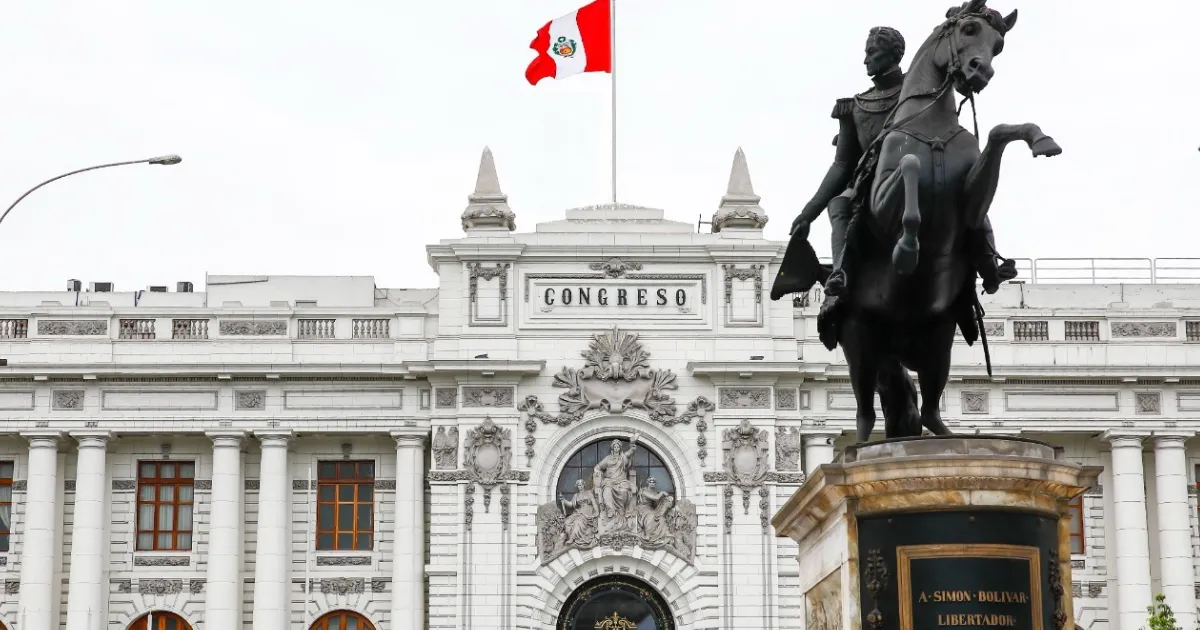
The Selective Consumption Tax paid by online gaming and sports betting in Peru could increase from 1 to 5 percent of the value of each bet. This is proposed in a bill presented to Congress by Luis Masco Cáceres and the Partido Cívico Obras, with a dual argument: increased revenue and greater support for policies that prevent problem gambling.
The change is technically limited. The initiative touches only one point, literal A of the New Appendix IV of the Consolidated Text of the General Sales Tax and Selective Consumption Tax Law, and the new rate would apply directly to the staked value, both for operators based in the country and for foreign platforms whose service is consumed within Peruvian territory.
The text is careful to clarify its scope. The increase applies only to the ISC and does not affect the tax regulated by Law 31557, meaning that no new tax appears, but rather an adjustment to an existing one. The statement of reasons also argues that the ISC has a revenue-generating purpose but also an extra-fiscal dimension, aimed at supporting social responsibility policies, with an emphasis on preventing problem gambling and protecting adolescents and young people within an increasingly accessible digital environment.
The figures accompanying the proposal explain the fiscal interest. With the 1 percent rate, annual ISC revenue is around S/324m (US$93m). If raised to 5 percent, the project's calculation pushes it up to approximately S/1.620m (US$465m) per year. If Parliament approves the law, the Executive Branch will issue regulations and administrative adjustments, and the new rate would take effect from the first day of the calendar month following the law's enactment.
The Peruvian Congress now has two bills pushing the same tax in opposite directions, and it is advisable to read them together. At the end of September, the initiative that changes the tax base of the ISC returned to the parliamentary circuit, a text that the Ministry of Economy and Finance calculated would sink annual revenue from S/284m (US$82m) to a range between S/14m and S/28m. This contrast reveals a fundamental inconsistency, because the two dossiers cite different starting points for the same tax, S/284m in one case and S/324m in the other. The weakest point of the projection, in any case, is that it multiplies the rate by five and keeps the staked volume constant, a fragile assumption in a market where the unlicensed alternative is just a click away and where Mincetur still blocks platforms at a rate of dozens per month.
Tags: Tax on betting, Peruvian Congress, Online gaming in Peru, Law 31557