The Peruvian Congress reactivates the change of the ISC for online gambling
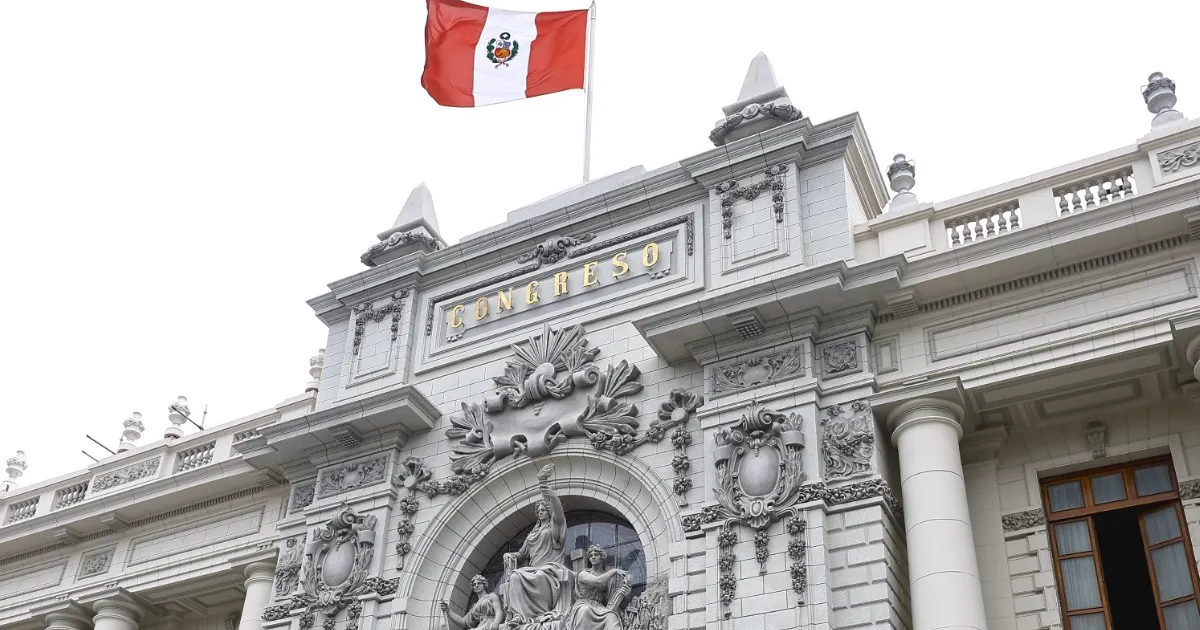
Between ninety and ninety-five percent. That is the drop that the Ministry of Economy and Finance (MEF) attributed to the bill that the Peruvian Congress has just returned to the parliamentary circuit, and which changes the tax base of the Selective Consumption Tax (ISC) applied to sports betting and online gaming.
Translated into money, the State's annual projection for this concept would go from S/284m (US$82m) to a range of between S/14m (US$4m) and S/28m (US$8m). The calculation in the MEF's technical reports starts from a simple point: if the base on which the tax is applied is modified without proportionally adjusting the rates, what remains is a tax that collects almost nothing.
The file returned with a new number. The initiative, originally promoted by former congresswoman Lady Camones to incorporate online gaming platforms into the ISC regime, re-entered the process under file N° 00389/2026-2031-CD, after the Congress Regulations ordered its update and reassignment following the recess and the archiving of the previous text.
The official warning is not new. During Dina Boluarte's administration, the Executive Branch had already formally observed the proposed changes to the IGV and ISC Law for the very same reason.
There is a second point that is as concerning, or more so, than the first, and that is supervision. The observed text eliminated Sunat's duty to require companies not domiciled in the country to withhold and declare the tax, and incidentally altered the MEF's power to set and correct tax rate ranges. In other words, it reduced collection and, in parallel, weakened the tools for collecting from those operating from abroad.
The Executive's argument for maintaining differentiated treatment points to the nature of the product. Remote gaming operates with a different dynamic than that of a physical venue, and this difference, it argues, requires its own tax treatment that also takes into account the risks of compulsive gambling associated with the permanent access enabled by a phone.
Peru has regulated online gaming since 2024, when the regulations of Law 31557 came into force under the supervision of Mincetur. The tax regime was from the beginning the most debated point of the Peruvian model, and the industry had already anticipated that it would take the matter to the Constitutional Court, so the reactivation of the file reopens a dispute that the market considered pending rather than closed.
Tags: Selective Consumption Tax, Ministry of Economy and Finance, Online gaming taxation in Peru, Sunat