Trinidad and Tobago raises betting age from 18 to 25
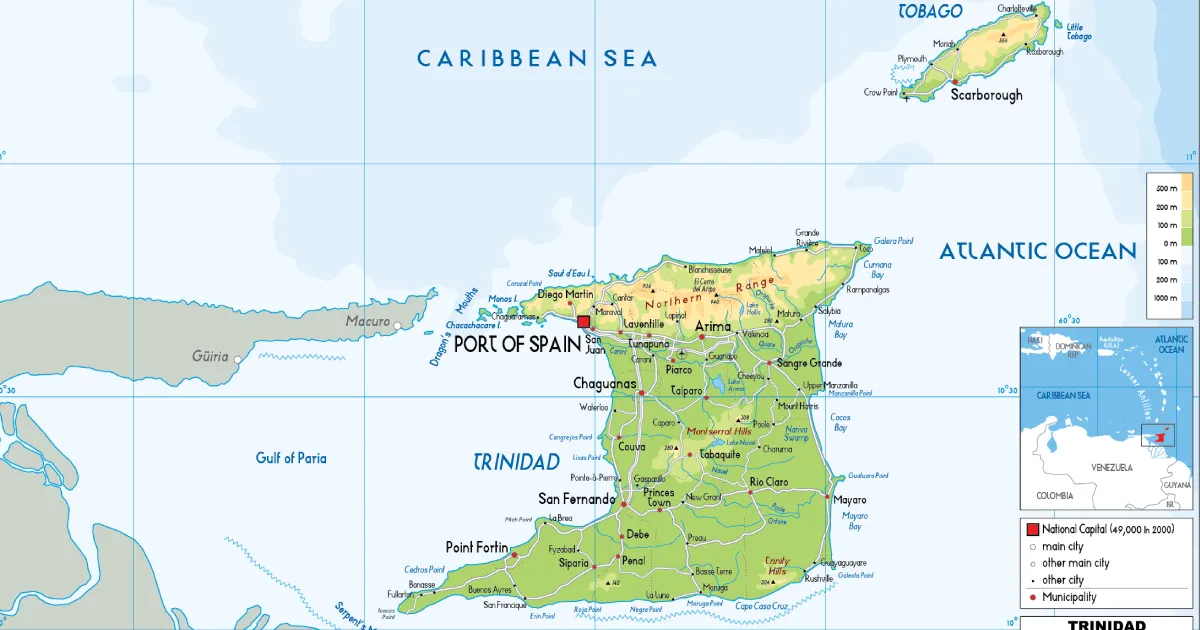
Trinidad and Tobago has just set the minimum gambling age at 25, seven years above the previous 18, doing so with a vote that garnered no support outside the ruling party. The Senate approved the norm by 15 votes to 12, with three abstentions, and all 15 favorable votes came from government senators. This is the third time in a few weeks that a significant executive initiative has failed to win over the opposition or independents, a bloc from which Marlene Attzs, Francis Lewis, and Alicia Pauline Lalite-Etienne abstained, while the rest voted against it.
John Jeremie, the Attorney General, defended the change as a regulatory decision supported by medical and international evidence, citing alcohol as an example. In several territories worldwide, he said, the drinking age has been raised to 21 based on medical evidence, and he mentioned the cases of Singapore, Lithuania, Sri Lanka, Canada, and the United States. Regarding the penalty regime included in the bill, he maintained that the sanctions are responsible and proportionate.
The argument of those who voted against it was based on consistency with the rest of the legal framework. Independent and opposition senators pointed out that at 18, a person in the country can already vote, marry, sign contracts, or join the security forces, so the restriction creates a category of adult with curtailed capacity. Opposition member Vishnu Dhanpaul took the objection to a practical level, warning that the 25-year threshold could push those under that age towards offshore platforms and add pressure on police resources. His summary was the most quoted passage of the debate: the bill treats adults as children and children as criminals. He then pointed to the amount of the fines, which, in his opinion, no young person would be able to pay.
The timeline explains why the timing matters. The law comes into effect in early 2027, after being signed by President Christine Kangaloo, and arrives just weeks after a new framework for online gaming was approved, lifting restrictions on those offering remote betting from within the territory. The Attorney General himself set the launch of these licenses, for both local and foreign operators, with January 1, 2027, as the deadline, while the Gambling Control Commission works with the Central Bank on the framework for digital payments and e-money licenses.
The two decisions intersect in the same quarter and move in opposite directions. The country opens the legal channel with licenses for local and foreign operators and, at the same time, removes seven age cohorts from the market these licensees can target, a cut that has no equivalent in any major jurisdiction, because the international standard ranges between 18 and 21 years, and the Attorney General himself cited the 21 for alcohol, not 25. The question it raises is one of control capacity, since a locally licensed operator will verify age due to contractual obligation, while the offshore site Dhanpaul refers to verifies nothing and is not subject to fines. Therefore, the net effect of the measure will depend less on the age written in the law than on the effectiveness with which the regulator and the Central Bank manage to cut off payments to unauthorized offerings.
Tags: Trinidad and Tobago, minimum gambling age, online gaming, licenses